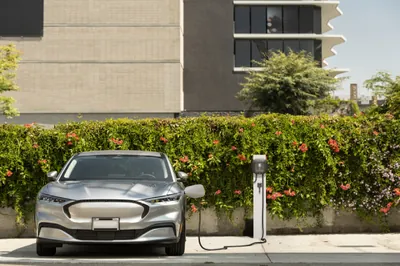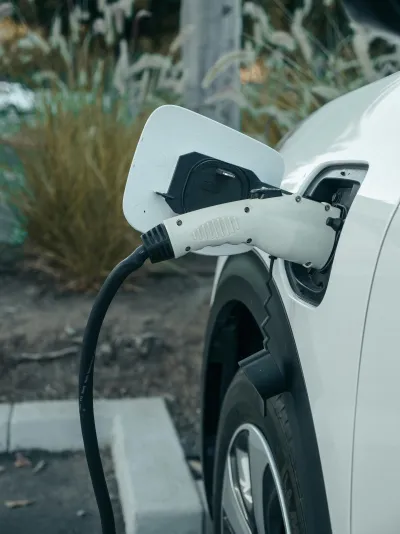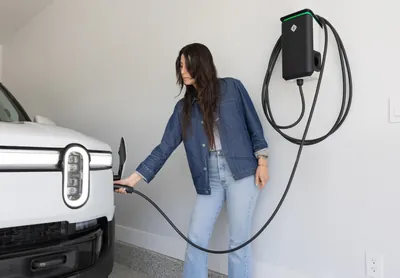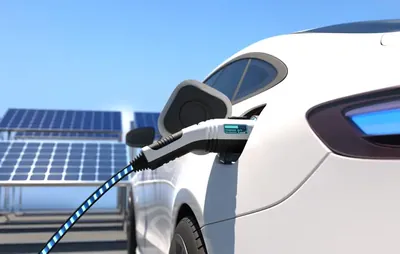
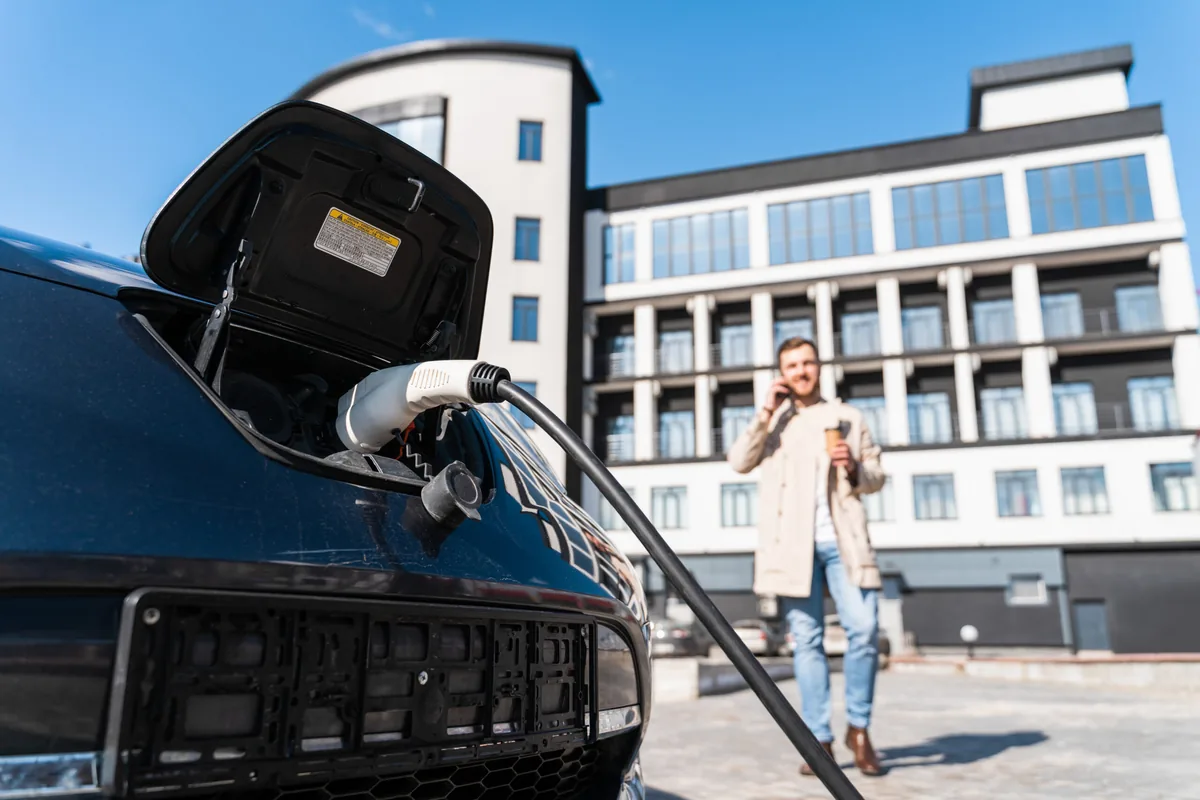
Electric vehicle adoption is reshaping what hotel guests expect from a property before they ever check in. Booking platforms now feature EV charging as a searchable amenity filter, and guests are using it. A 2024 survey by Virta found that 80% of hotel guests say EV charging availability influences whether they book a property. One major hotel chain reports that EV charging has become its highest-converting amenity filter, outperforming pools and free breakfast.
Despite this shift, only about 26% of U.S. hotels currently offer EV charging. For hotel owners who also manage their own parking, that gap represents both a competitive advantage and an untapped revenue stream. Hotels already generating income from paid parking can layer EV charging directly on top of that existing revenue.
The Hotel Guest Who Drives an EV
Understanding who this guest is helps explain why hotels are investing. According to the American Consumer Institute, households that own EVs typically earn more than $100,000 annually. These guests tend to stay longer, spend more on property amenities like dining and spa services, and travel frequently.
More than half of hotel charging sessions on monitored networks come from new drivers in any given month. That signals ongoing growth in demand, not a static pool of repeat users. Hotels that add chargers are not just serving existing EV guests. They are attracting new ones who filter for charging availability when booking.
Why Hotels Are a Natural Fit for Level 2 Charging
Hotels align well with Level 2 (240-volt) charging because of how long guests stay. A Level 2 charger delivers roughly 20 to 40 miles of range per hour. An overnight stay is more than enough time to fully charge most electric vehicles, making expensive DC fast charging hardware unnecessary for the typical hotel use case.
Level 2 hardware costs generally range from $2,000 to $6,000 per port, including installation. For a hotel generating $250 per night per room, absorbing $4 in electricity per charging session to attract an EV-driving guest is a strong trade. Even without charging a fee, the charger pays for itself through increased bookings.
Charging as a Revenue Stream, Not Just an Amenity
Hotel owners can approach EV charging in two ways, and many use a hybrid model.
The first approach treats charging as a complimentary amenity, similar to Wi-Fi or parking itself. This works well for properties with fewer than four chargers where the goal is to differentiate and attract bookings. The electricity cost per session is minimal relative to room revenue, and the competitive advantage of being one of the few properties with chargers in a market can drive meaningful occupancy gains.
The second approach treats charging as a paid service. Properties with five or more charging units, or those installing DC fast chargers, typically implement usage-based billing. Common pricing structures include per-kWh fees (typically $0.30 to $0.45 per kWh for Level 2), per-hour rates ($1 to $5 per hour), or flat nightly access fees ($10 to $25 per night for unlimited charging). Metered billing at these rates covers energy costs and returns a 40% to 60% margin at typical hotel occupancy levels. For properties weighing the financial trade-offs of each approach, a comparison of revenue share versus ownership models covers the key decision points.
The Dual-Use Advantage
Hotel parking lots have a built-in advantage that many other property types do not. Guest parking demand peaks overnight, but chargers sit idle during much of the day. When not in use by hotel guests, those same chargers can serve local drivers, visitors, and commuters who find the station through apps like PlugShare, Google Maps, or the charging network's own platform.
This dual-use model turns a hotel charger into a 24-hour revenue asset. Overnight sessions serve hotel guests and drive bookings. Daytime sessions generate charging revenue from non-guests. The charger does not sit idle during either window.
For hotels near downtown areas, retail districts, or highways, daytime utilization from non-guests can be a meaningful revenue line on its own.
Visibility and Discovery
Adding EV chargers creates a new discovery channel for the property. Charging network apps, PlugShare, Google Maps, and booking platform filters all surface hotels with chargers to a high-intent audience of travelers actively looking for a place to stay and charge.
This visibility extends beyond traditional hotel marketing. A property that appears in EV charging search results reaches travelers who may not have found it through standard booking channels. Major chains have recognized this. Marriott has deployed over 7,000 chargers globally, and Hilton, Hyatt, Wyndham, and Best Western are all expanding their charging programs. Independent and boutique hotels that add chargers early in a market gain visibility before chain properties saturate the space.
Getting Started
Hotel owners evaluating EV charging should consider a few practical factors before selecting equipment or signing a vendor agreement.
Start with the parking layout. Identify which spaces are closest to electrical infrastructure, as shorter cable runs reduce installation costs. Determine how many spaces can be dedicated to charging without reducing overall parking availability during peak occupancy.
Evaluate the electrical capacity of the property. Some installations require panel upgrades, new circuits, or even a new utility meter. Utility coordination can add time to the project, so starting that conversation early matters. A breakdown of hidden costs in EV charging installation covers the line items that vendor quotes typically leave out.
Decide on the pricing model before installation. Whether charging will be complimentary, paid, or a hybrid (free for guests, paid for non-guests) affects which hardware and networking platform to choose.
Verify any incentive before counting it in a budget. The federal Section 30C tax credit expired on June 30, 2026 and does not apply to property placed in service after that date. State and utility programs vary by jurisdiction and by year, so confirm current terms with the utility or the state agency rather than with a vendor quote.
For hotel owners already generating revenue from paid parking, EV charging stacks directly on top of that income. A guest who pays to park and pays to charge represents two revenue events from the same parking space. Combined with the booking advantage of listing the property as EV-friendly, charging infrastructure turns the hotel parking lot into a stronger financial asset.