Not every property needs the fastest charger on the market. The right choice depends on how long drivers stay, what your electrical infrastructure can support, and how the numbers work over time. Picking the wrong charger type is one of the most expensive mistakes a property owner can make in EV infrastructure.
The Core Difference
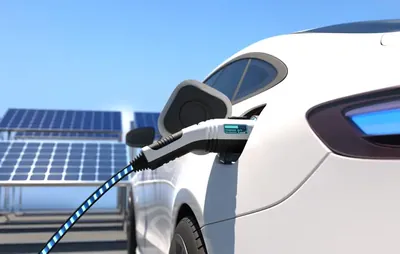
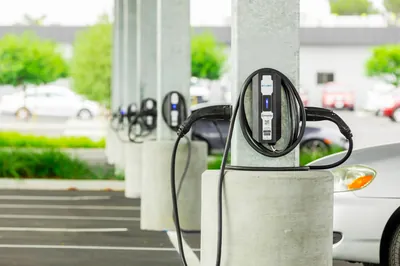
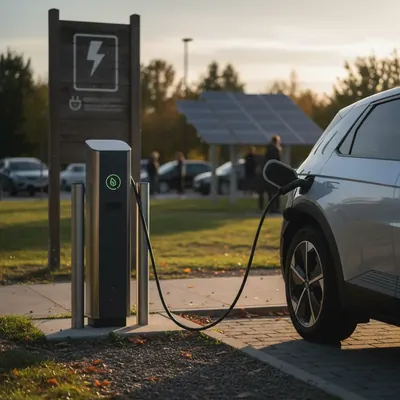
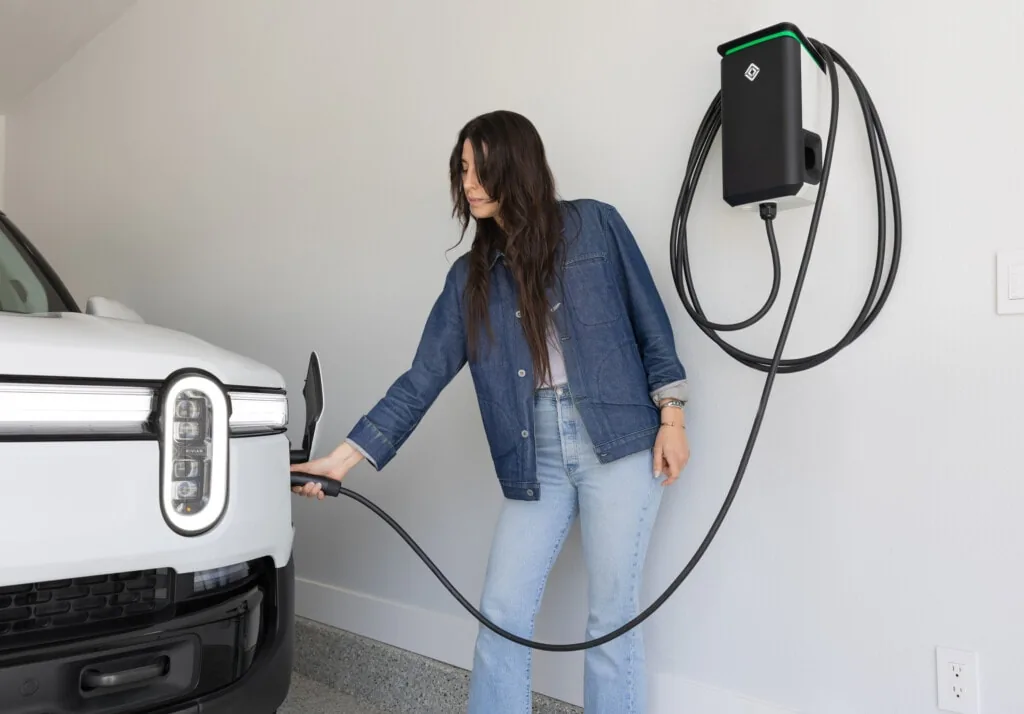
Level 2 chargers deliver power at 7 to 19 kilowatts. A typical session adds 25 to 60 miles of range per hour. Drivers plug in and walk away for a few hours, returning to a meaningfully charged vehicle.
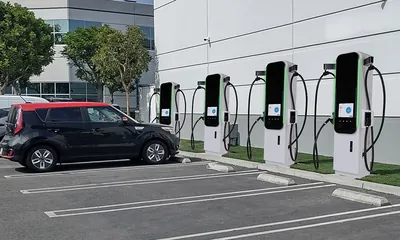
DC fast chargers deliver 50 to 350 kilowatts. They add 100 to 250 miles of range in 20 to 30 minutes. Drivers stay with the vehicle or step away briefly, then continue their trip.
These are not competing products. They serve different driver behaviors and different property types. For the broader picture on how charging pairs with paid parking, the article on EV charging and paid parking revenue covers the revenue math.
When Level 2 Is the Right Choice
Level 2 fits properties where vehicles naturally stay parked for two or more hours. The dwell time matches the charging speed, so drivers leave with a useful charge without changing their routine.
Office parking is the clearest fit. Employees park for eight hours, charge during the workday, and never think about it. Hotels work the same way overnight. Multifamily properties suit Level 2 because residents charge while they sleep or while they are home in the evening.
Retail centers, restaurants, and entertainment venues also align with Level 2 when typical visits run two hours or longer. Shopping centers with dining and entertainment tenants tend to hit that threshold consistently.
Level 2 installation runs $2,000 to $5,000 per port for the equipment, plus electrical work. Most properties can add Level 2 chargers without major panel upgrades, which keeps the project manageable.
When DC Fast Charging Makes Sense
DC fast charging fits properties where drivers want to charge and leave quickly. The use case is range replenishment, not background charging.
Highway-adjacent properties are the strongest fit. Travel plazas, fuel stations, and convenience stores along major routes capture drivers who need to add range and continue driving. Quick-service restaurants near interstates work for the same reason.
Urban properties with high turnover can also justify DC fast charging when nearby Level 2 options are saturated. Some grocery stores and big-box retailers add a small number of DC fast chargers to serve drivers who want to top off during a 30-minute shopping trip.
DC fast charging carries a different cost profile. Equipment runs $40,000 to $100,000 or more per port. Installation often requires utility coordination, transformer upgrades, and significant trenching. Total project costs frequently land between $100,000 and $300,000 per port when everything is included. The gap between the vendor quote and the real project cost is wide enough that owners should review the hidden costs of EV charging installation before committing.
The Electrical Infrastructure Question
Before choosing a charger type, the property's existing electrical service has to support it. This is where many projects stall.
Level 2 chargers can often be added to existing service with minor modifications. A property with available panel capacity may install several Level 2 ports without involving the utility at all.
DC fast chargers almost always require utility involvement. Properties may need a new transformer, upgraded service entrance, or in some cases an entirely new utility connection. These upgrades add cost and time, sometimes pushing project timelines past 12 months.
A site assessment by a qualified electrical contractor should happen before any vendor conversation. Knowing the available capacity changes which options are realistic.
Matching Charger to Dwell Time
The simplest decision rule comes down to how long vehicles stay parked.
Under 30 minutes of typical dwell time points toward DC fast charging. The driver needs meaningful range in the time they are on site.
Two hours or more points toward Level 2. The vehicle has time to charge at a slower rate, and the lower equipment and installation cost improves the return.
Between 30 minutes and two hours is the gray zone. Properties in this range should look at driver behavior, competing options nearby, and whether a mix of both charger types makes sense.
A Mixed Approach Often Wins
Some properties benefit from offering both. A hotel might install Level 2 chargers for overnight guests and add one or two DC fast chargers for travelers passing through. A shopping center might serve regular customers with Level 2 while offering DC fast charging for quick-stop visitors.
A mixed deployment requires more planning, but it captures more revenue from different driver segments. The key is sizing each charger type to the actual demand rather than installing equipment based on a vendor's standard package.
Make the Decision Based on Your Property
The right charger type comes from understanding the property, the drivers it serves, and the electrical infrastructure available. Vendors will recommend what they sell. A vendor-neutral assessment looks at all options and matches the technology to the opportunity.
Properties that get this decision right see steady utilization, predictable revenue, and reasonable payback timelines. Properties that get it wrong end up with underused equipment, frustrated drivers, and stranded capital.