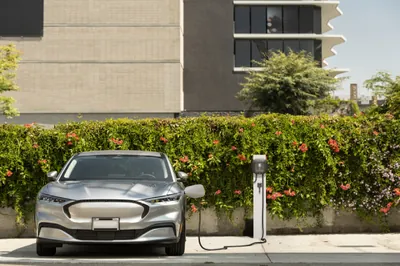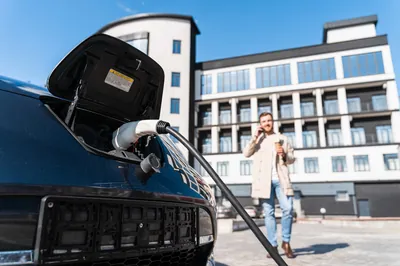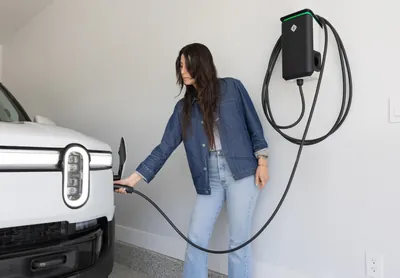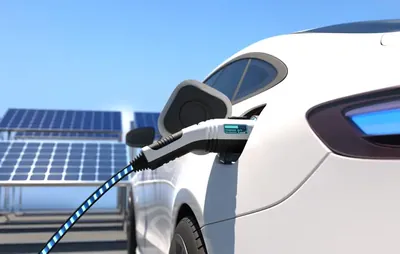
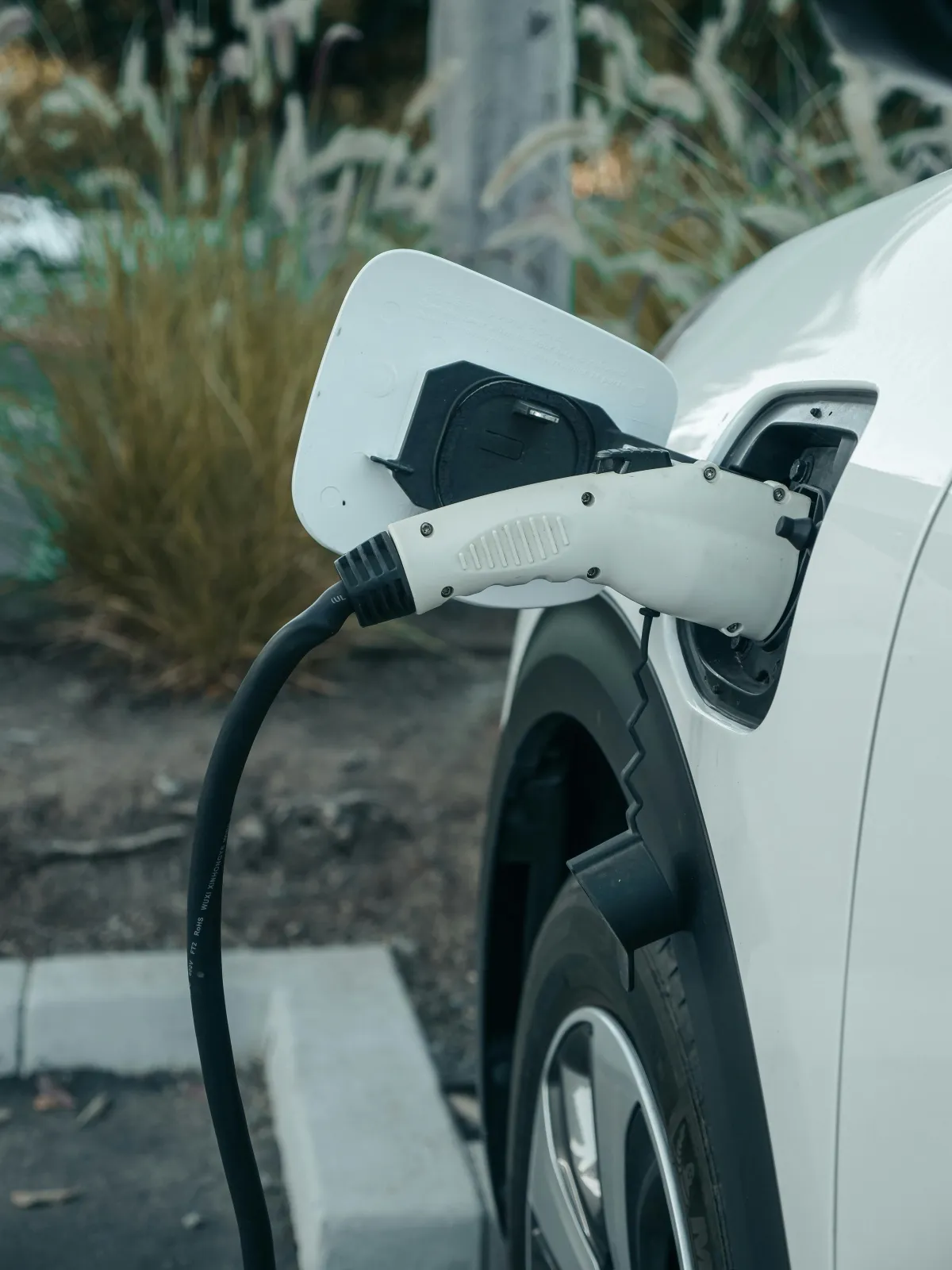
Electric vehicle adoption is accelerating. EV sales now account for nearly 10% of new car purchases, and that number climbs every year. For parking lot owners, this shift creates a revenue opportunity that most are completely missing.
Here is the thing: EV drivers need two things when they park. A place to leave their car and a place to charge it. Smart property owners are monetizing both.
Why EV Charging Parking Is Different
Traditional parking revenue comes from one source: time in the space. EV charging parking adds a second revenue stream on top of that.
You collect parking fees based on how long the vehicle stays. You also collect charging fees based on how much electricity the vehicle uses. Some operators add idle fees when drivers leave their car plugged in after charging completes, freeing up the charger for the next customer.
A single EV charging space can generate two to three times the revenue of a standard parking space. The drivers expect to pay more because they are getting more value.
The Numbers Make Sense
Installing EV chargers requires upfront investment, but the math works in your favor.
Level 2 chargers cost $2,000 to $5,000 per unit installed. The federal Section 30C tax credit, which had offset part of that cost for eligible properties, expired on June 30, 2026. Utility programs vary by territory and should be confirmed directly with the utility rather than assumed.
Once installed, you charge drivers $0.20 to $0.40 per kilowatt-hour for electricity, plus your standard parking rate. A typical charging session lasts two to four hours and uses 20 to 40 kWh. That is $4 to $16 in charging fees on top of whatever you charge for parking.
Properties in high-demand areas recover their installation costs within 12 to 24 months. After that, EV charging becomes a high-margin addition to your parking revenue.
Where EV Charging Parking Works Best
Not every parking space needs a charger. Strategic placement matters.
Retail and restaurant parking works well because shoppers and diners typically stay one to three hours, which is ideal charging time. Offering EV charging attracts a demographic with higher disposable income.
Office building parking suits employees who can charge during the workday. Monthly EV parking passes command premium rates because of the added charging benefit.
Hotel parking is a natural fit. Guests charge overnight while they sleep, and hotels can bundle charging into premium parking packages.
Multifamily properties attract tenants who own EVs but lack home charging options. EV-ready parking becomes a competitive amenity that justifies higher rent or parking fees. Learn more about apartment parking revenue strategies.
Start Simple and Scale
You do not need to convert your entire lot to EV charging overnight. Start with two to four spaces in visible, convenient locations. Monitor usage and expand based on demand.
Many property owners partner with charging network providers who handle installation, maintenance, and payment processing in exchange for a revenue share. This approach minimizes your upfront risk while you learn the market.
Others prefer owning the equipment outright to keep 100% of the revenue. Either model works depending on your capital and appetite for management.
The Window Is Now
EV charging infrastructure is still catching up to demand. Property owners who install chargers now capture the early adopters, the drivers actively seeking charging locations and willing to pay premium rates.
As EV adoption grows, parking lots without charging will lose traffic to competitors who offer it. The revenue opportunity is real today, and it only gets bigger.
Consider pairing EV charging with dynamic pricing strategies to maximize revenue during peak demand periods.