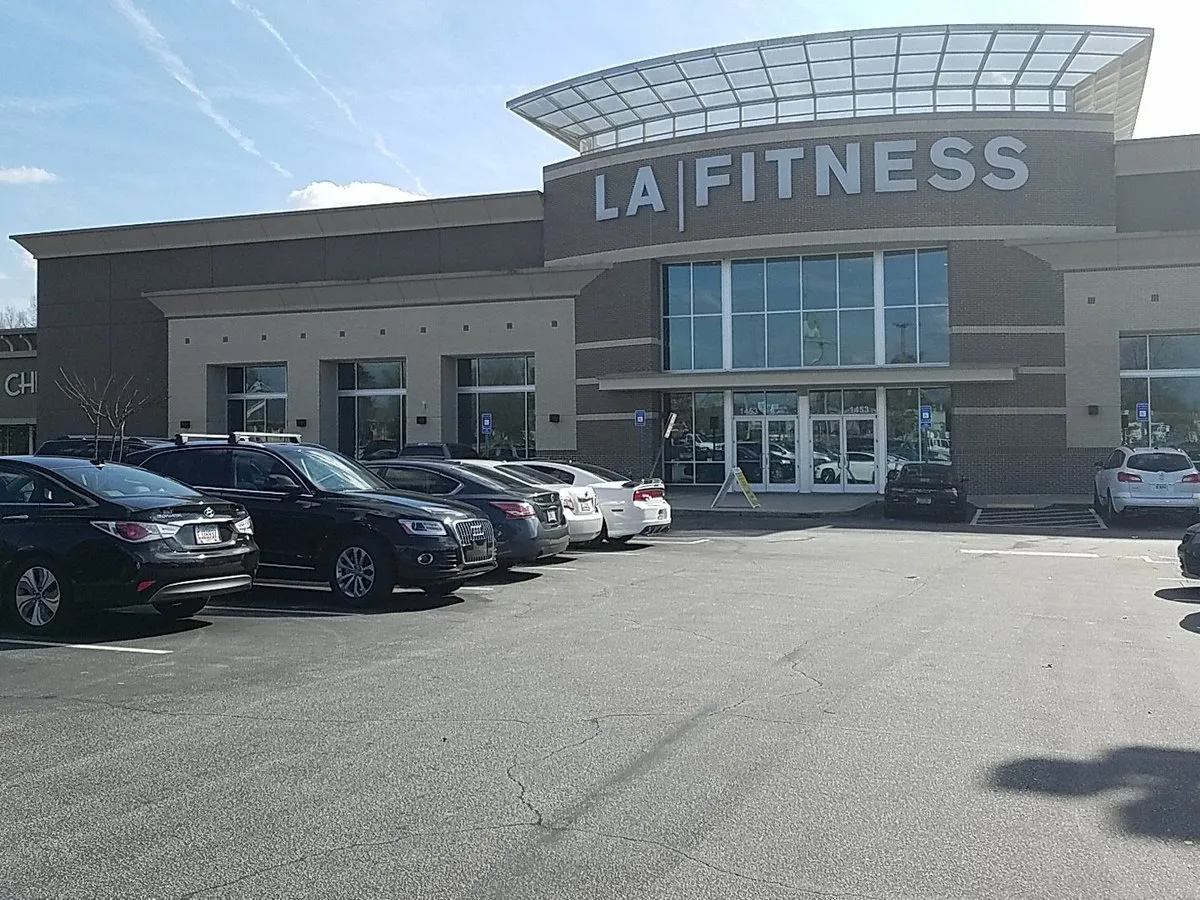
Gyms and fitness centers create some of the most predictable parking demand patterns of any business. Early morning, lunch hour, and the 5 to 7 PM rush fill lots like clockwork. But outside those windows, most gym parking lots sit mostly empty. That creates a revenue opportunity that most property owners and gym operators completely overlook.
Why Gym Parking Is Uniquely Suited for Monetization
Fitness centers generate parking demand in sharp, predictable peaks. A typical gym lot might be 80 to 90 percent full from 5 to 7 PM on weekdays, then drop to 20 percent by 9 PM. Weekend mornings spike, then taper off by early afternoon.
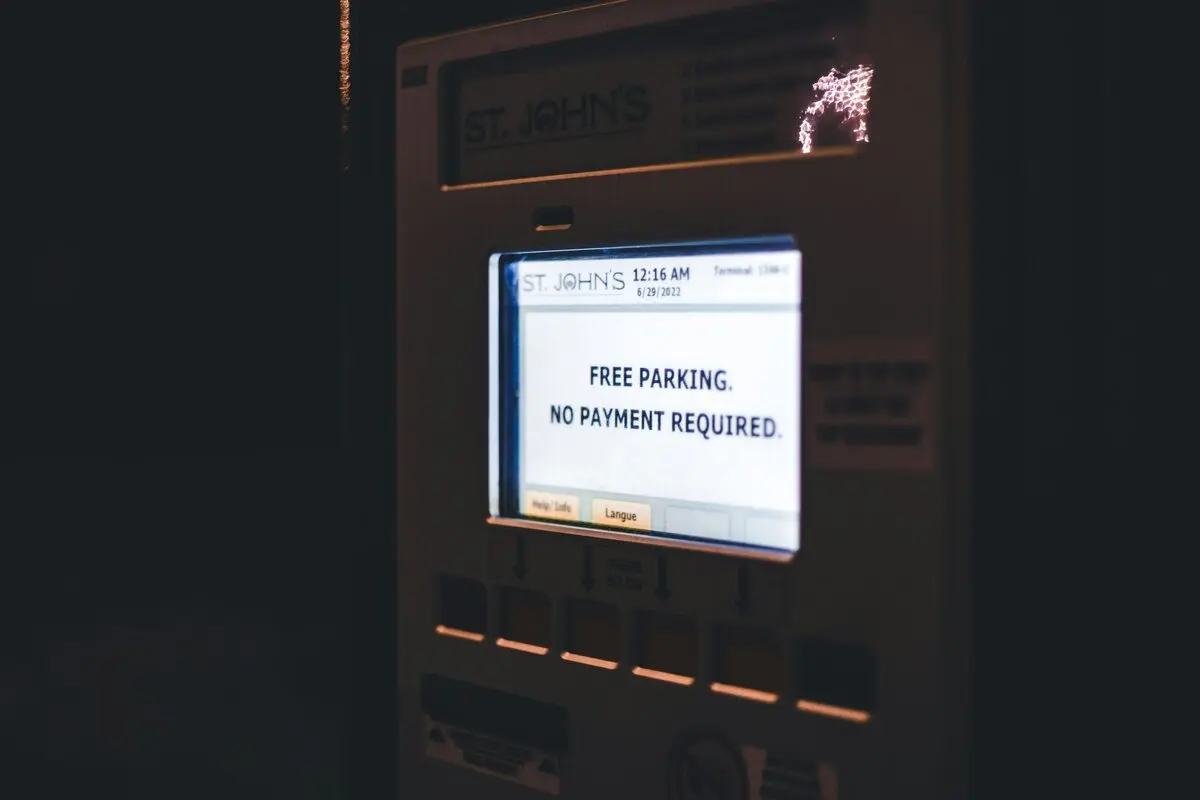
That predictability is actually an advantage. When you know exactly when demand surges and when it drops, you can build a parking strategy around it. Modern technology like scan-to-pay and license plate recognition lets you set different rules for different times of day, automatically, with no staff required.
During peak hours, parking can be reserved for gym members and tenants. During off-peak hours, those same spaces can generate revenue from nearby businesses, event venues, downtown visitors, or overnight parkers.
The Shared Parking Opportunity
Many gyms sit in strip malls, retail centers, or mixed-use developments where parking is shared across multiple tenants. This is where things get interesting.
A gym's peak hours are often the inverse of a traditional office tenant's schedule. Office workers fill the lot from 9 to 5. Gym members fill it from 5 to 8 PM and on weekends. That complementary demand pattern means the same spaces can serve double duty, generating income during windows when one tenant's customers are gone and another's are arriving.
For property owners who control the lot, this is found money. Instead of letting spaces sit unused during off-peak periods, paid parking captures revenue from the natural flow of traffic that the gym itself attracts.
Membership Tier Integration
Here is where paid parking becomes a competitive advantage rather than a friction point. Gyms that integrate parking into their membership structure can use it as a value-add for premium tiers.
A basic membership might not include parking, while a premium tier bundles a reserved spot during peak hours. This approach generates direct parking revenue from non-members while giving the gym a tangible perk to justify higher-tier pricing. License plate recognition technology makes this seamless. Members' plates are automatically recognized and allowed, while non-members pay through scan-to-pay. No gates, no attendants, no awkward interactions at the front desk.
Addressing the Biggest Objection
The most common pushback from gym operators is that charging for parking will drive away members. The data from other property types tells a different story.
When parking is well-managed, properly signed, and priced reasonably, most people accept it without issue. Members who value the gym will not cancel a $50 or $100 monthly membership over a parking fee, especially if members can park free through plate recognition while only non-members pay. The real frustration for gym-goers is not paying for parking. It is circling a full lot because unauthorized vehicles have taken all the spaces. Paid parking with proper enforcement actually improves the member experience by keeping spaces available for the people who are supposed to be using them.
The Bottom Line
Gym and fitness center parking lots have built-in demand, predictable patterns, and natural off-peak windows that are perfect for monetization. Whether you are a property owner with a gym tenant or a gym operator who controls your own lot, paid parking technology can turn dead hours into revenue without disrupting the member experience.
The infrastructure is already there. The demand already exists. All that is missing is the system to capture it.