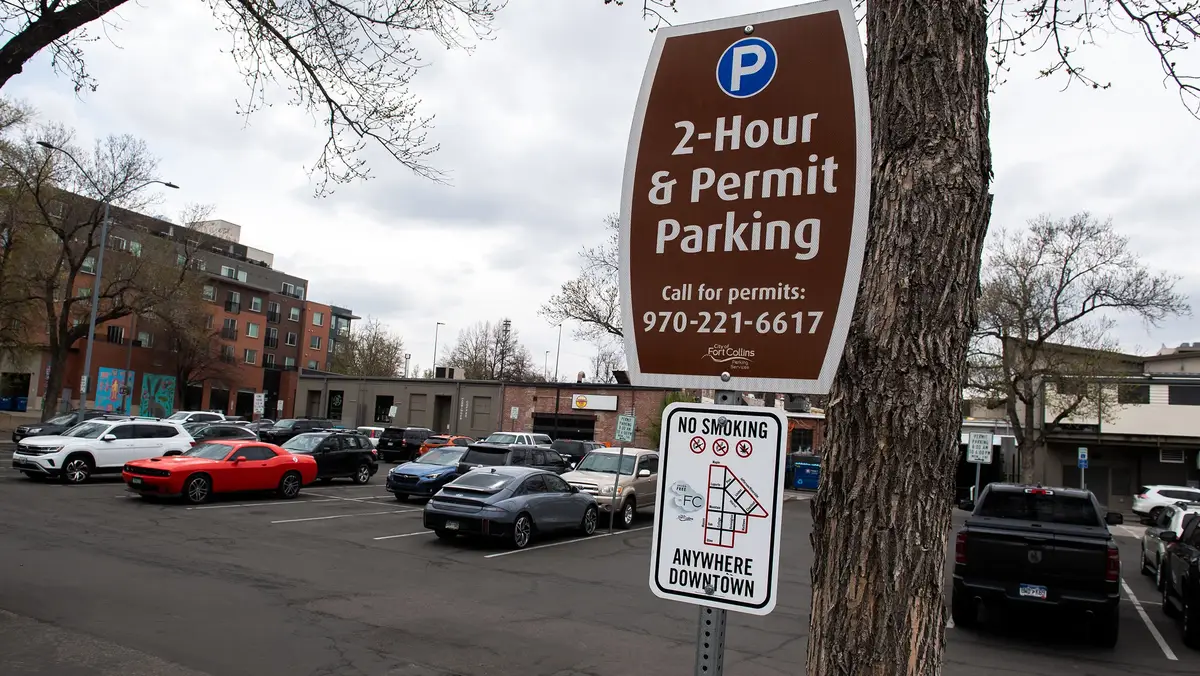
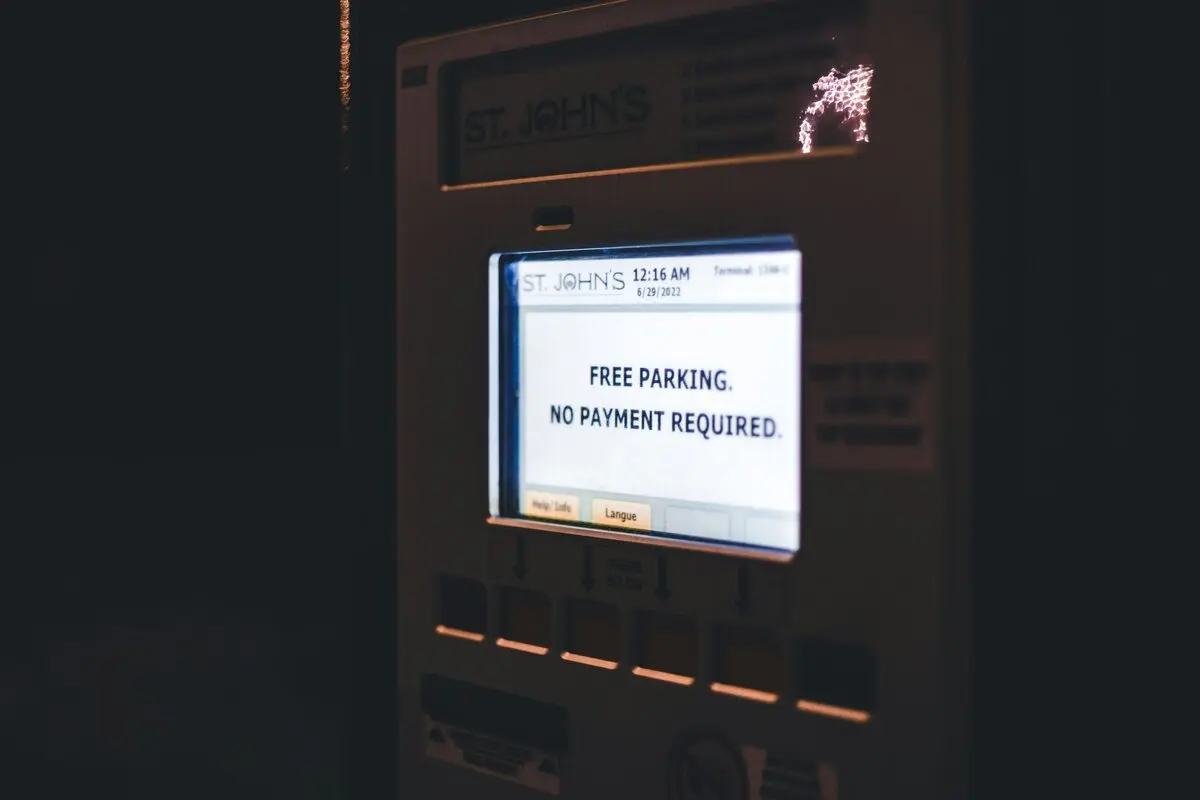
Most property owners view their parking lot as a necessary expense. You pave it, stripe it, maintain it, and let people use it for free. It feels like the cost of doing business.
But free parking is never actually free. Someone always pays. And if you are not charging visitors, that someone is you.
The Hidden Costs You Are Already Paying
Maintenance and repairs. Every vehicle that uses your lot contributes to wear and tear. Asphalt deteriorates. Striping fades. Potholes form. A typical commercial parking lot costs $1 to $3 per square foot to resurface, and most lots need significant work every 15 to 20 years. Heavier traffic accelerates that timeline.
Liability exposure. If someone trips on a crack, slips on ice, or gets hit by another vehicle in your lot, you could be on the hook. Parking lot accidents are one of the most common sources of premises liability claims. Your insurance covers it, but your premiums reflect the risk.
Property taxes. Your lot is assessed as part of your property value. You pay taxes on that land whether it generates income or not. In urban areas, surface parking can represent a significant portion of your tax bill.
Opportunity cost. This is the big one. A 30-space lot in a decent location could generate $3,000 to $6,000 per month in parking revenue. Over a year, that is $36,000 to $72,000 you are leaving on the table. Over a decade, the math gets painful.
The Problems Free Parking Creates
Beyond the direct costs, free parking invites problems that paid parking solves.
Unauthorized use. When parking is free, anyone can use it. Employees from neighboring businesses. Commuters catching the bus. People who park and walk somewhere else entirely. Your lot becomes a public resource that you maintain at your own expense.
Overstays and abuse. Without time limits or payment requirements, some vehicles will sit for days. You have no practical way to move them. Paying customers or tenants who need spaces get frustrated while strangers occupy your lot indefinitely.
No data or visibility. Free parking gives you no information about who is using your lot, when demand peaks, or how spaces turn over. You cannot optimize what you cannot measure.
Tenant and customer friction. If your lot is constantly full of non-customers, the people you actually want to serve struggle to find spaces. The free parking you offer as an amenity becomes a source of complaints.
The Shift in Thinking
Property owners often resist charging for parking because they assume it will upset tenants or drive away customers. But the opposite is usually true.
Paid parking, managed correctly, improves the experience for the people you care about. Tenants and customers get spaces when they need them. You can offer validation or free periods for legitimate visitors. The people who were abusing your lot move elsewhere.
And the revenue you collect offsets the costs you were already paying. In most cases, it more than covers them.
What Modern Paid Parking Looks Like
If your image of paid parking involves gate arms, ticket machines, and attendants, that picture is outdated. Today's systems use phone-based payments and license plate recognition. There is no hardware to buy, no staff to hire, and no upfront investment.
You set the rules. The technology handles enforcement. Revenue shows up in your account.
The question is not whether you can afford to charge for parking. It is whether you can afford not to.
Next Steps
If you have been giving away parking for free, it is worth running the numbers on what that decision actually costs. The parking revenue calculator estimates what your lot might generate based on location and space count.
You might be surprised how much you are already spending to let strangers park for free.