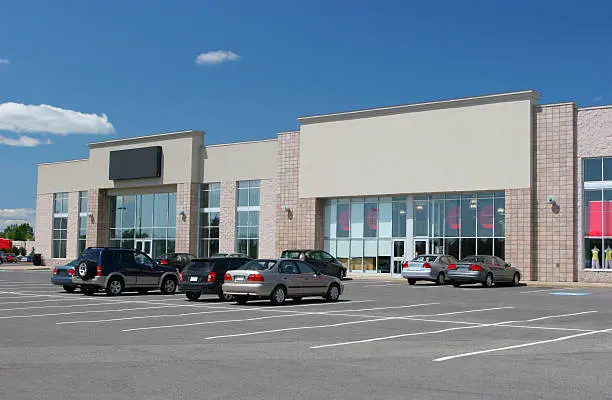
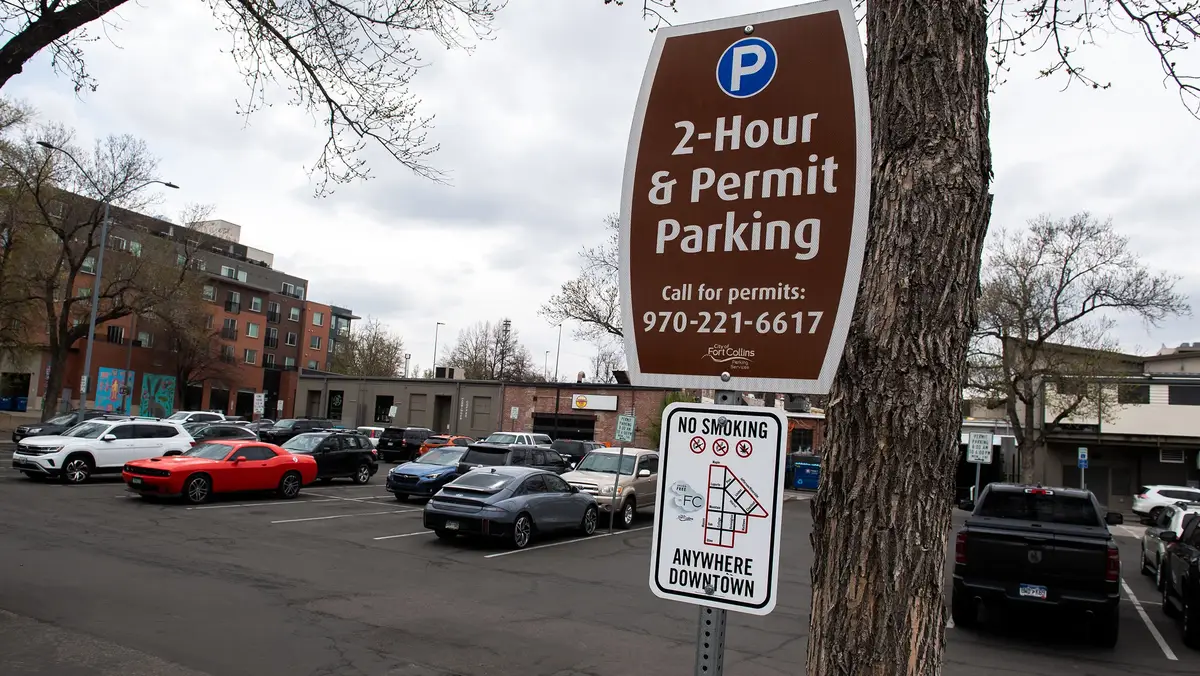
College towns experience parking pressure unlike most communities. Students bring vehicles but universities provide limited parking. Faculty, staff, visitors, and event attendees compete for spaces in concentrated areas around campus.
Property owners near campus often have parking capacity unused outside primary business hours. Restaurant lunch rushes do not coincide with evening student parking needs. Office buildings sit empty on weekends when students need parking most. Apartment guest spaces rarely fill to capacity. This creates revenue opportunities without disrupting business operations.
The College Town Parking Dynamic
Academic year demand runs August through May. Summer sees dramatically reduced pressure.
Daily patterns peak during class hours from 9am to 4pm and evenings for activities and study sessions.
Weekly patterns shift on weekends when offices close and evening demand increases.
Event demand spikes during home games, concerts, graduation, and move-in weeks.
These patterns create opportunities to monetize parking during specific timeframes without affecting primary business operations.
Revenue Opportunities by Property Type
Office buildings can monetize evening and weekend parking when offices are closed and students need spaces.
Retail properties offer after-hours student parking when stores close but student demand continues.
Apartment complexes with excess guest parking can rent monthly permits to students.
Restaurants have inverse demand, with low utilization during late morning, mid-afternoon, and late evening.
Churches generate revenue Monday through Saturday while remaining free on Sundays.
Technology Solutions
Monthly permits work well for students seeking semester-long parking. Property owners can sell permits for specific time windows like evenings only, weekends only, or off-peak hours. This provides students with predictable costs while generating stable revenue.
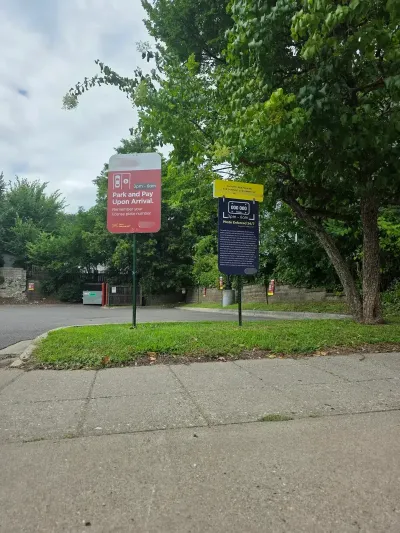
Hourly and daily rates accommodate occasional parking needs through Scan-to-Pay technology. Students scan QR codes to pay for short-term parking.
License Plate Recognition (LPR) automates permit enforcement by recognizing registered student plates. The system allows permitted vehicles automatically while charging non-permit holders.
Custom time windows charge during student demand hours while keeping parking free for primary business needs. An office can charge evenings and weekends while maintaining free daytime parking for employees.
Pricing Strategies
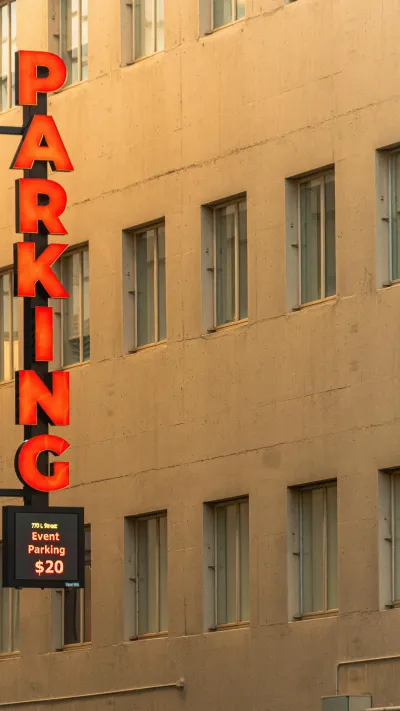
College town rates vary by location and competition. Monthly permits typically range from $50 to $150 per month. Properties within three blocks of campus command higher rates. Daily parking on event days can reach $20 to $40. Hourly rates usually run $2 to $5 per hour.
Successful pricing requires understanding university rates and positioning slightly below or in more convenient locations.
Academic Calendar Considerations
The academic calendar creates predictable patterns. August through May represents active months. June and July see reduced demand requiring lower rates or suspended operations.
Some property owners offer semester-based permits from August to December and January to May rather than monthly renewals, matching student planning cycles and reducing administrative overhead.
Common Concerns
Student behavior: Clear rules and enforcement prevent issues. Monthly permits create accountability.
Neighborhood impact: Legal student parking reduces street parking congestion in residential areas.
Permit management: Modern systems handle permit sales, renewals, and enforcement automatically.
Getting Started
Property owners near universities should evaluate parking utilization during non-business hours and weekends. Count empty spaces when students need parking and research university parking rates for comparable locations.
For more on structuring monthly permit programs, see our guide to office building parking revenue. Learn about event parking strategies for capturing revenue during home games and campus events.