You have decided to monetize your parking lot. Before you install your first payment sign or enforcement camera, there is one question you need to answer: does your current insurance actually cover paid parking?
Many property owners assume their existing policy handles everything. They are often wrong. Charging for parking changes your liability exposure, and your insurance needs to reflect that.
Why Paid Parking Changes Your Insurance Requirements
When parking is free, your standard commercial general liability policy typically covers slip-and-fall accidents and basic premises liability. Visitors are on your property incidentally.
When you charge for parking, the relationship changes. You are now operating a parking business. Customers are paying for a service, which creates different legal obligations and liability exposures.
The moment you accept payment for parking, you may need garage liability insurance or garagekeepers coverage that your current policy does not include.
The Coverage You Probably Need
Commercial General Liability remains your foundation. This covers bodily injury and property damage claims from people on your premises. Someone slips on ice in your lot and breaks their wrist. General liability responds.
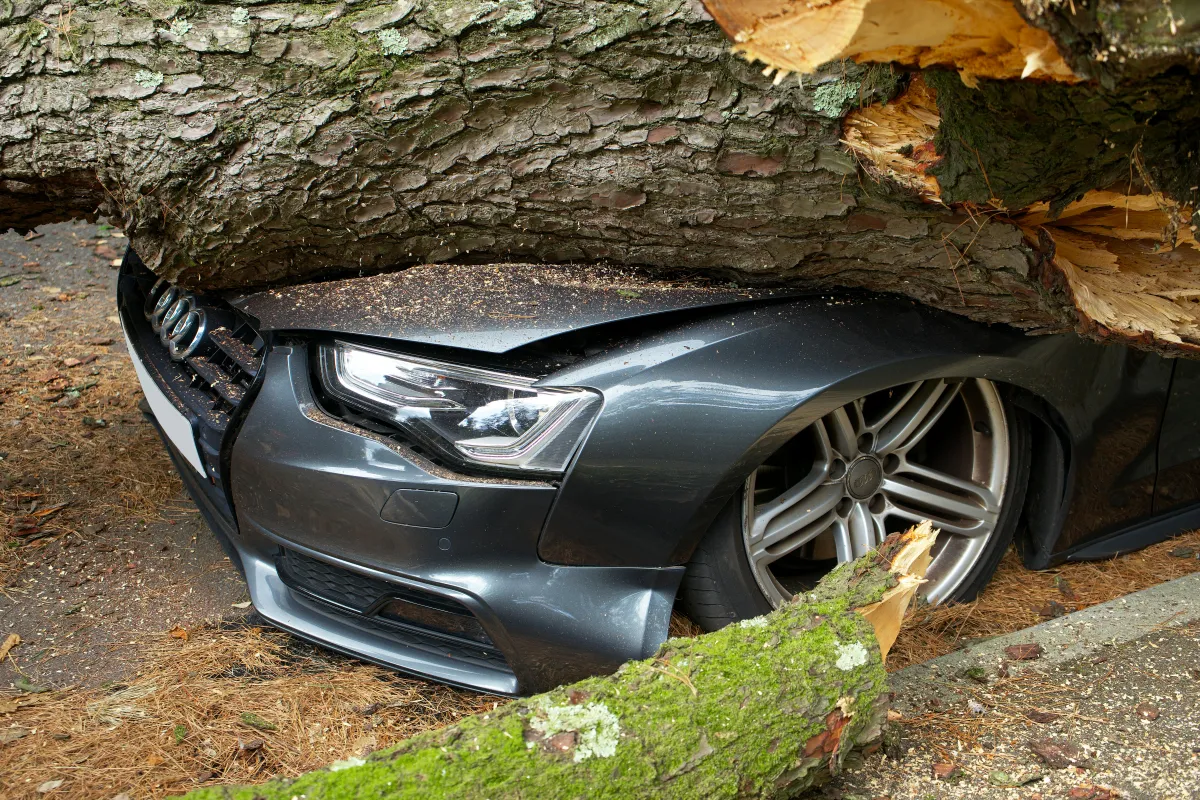
Garagekeepers Liability is where paid parking gets specific. When customers pay to park, you assume care, custody, and control of their vehicles. If a car gets damaged, vandalized, or stolen while in your lot, garagekeepers coverage protects you from those claims.
There are two types of garagekeepers coverage. Legal liability coverage only pays if you are found legally responsible for the damage. Direct primary coverage pays regardless of fault. Direct primary costs more but provides broader protection.
Commercial Property Insurance covers your physical assets like payment kiosks, gate arms, cameras, and signage. If someone crashes into your payment machine or vandals destroy your equipment, property insurance handles replacement costs.
Commercial Umbrella Insurance extends the limits of your other policies. Parking lot accidents can result in serious injuries and expensive lawsuits. Umbrella coverage provides an extra layer of protection when claims exceed your base policy limits.
What Insurance Typically Costs
Parking lot insurance costs vary based on location, size, and risk factors. Basic general liability coverage runs $39 to $89 per month for most small to mid-size lots.
Adding garagekeepers coverage, commercial property, and umbrella protection increases your premium. Expect to pay $100 to $300 per month for comprehensive coverage on a typical surface lot.
That sounds like an expense, but consider the alternative. A single slip-and-fall lawsuit can result in settlements of $50,000 or more. Vehicle damage claims add up quickly. Proper insurance is not optional.
Steps to Take Before You Start Charging
First, call your current insurance provider. Explain that you plan to charge for parking and ask specifically whether your policy covers this use. Get the answer in writing.
Second, request quotes for garage liability and garagekeepers coverage if your current policy excludes them. Compare options from multiple providers.
Third, document your safety practices. Insurers offer better rates to lots with proper lighting, clear signage, maintained surfaces, and security measures. Good risk management lowers your premiums.
Fourth, review your coverage annually. As your parking revenue grows, your coverage limits should grow with it.
Do Not Skip This Step
Insurance is not the exciting part of parking monetization. But it is the part that protects everything else. Get your coverage sorted before you collect your first dollar, and you will sleep better knowing your investment is protected.
For more guidance on launching paid parking, see our guide on when to start charging for parking and understand the real costs of parking management.