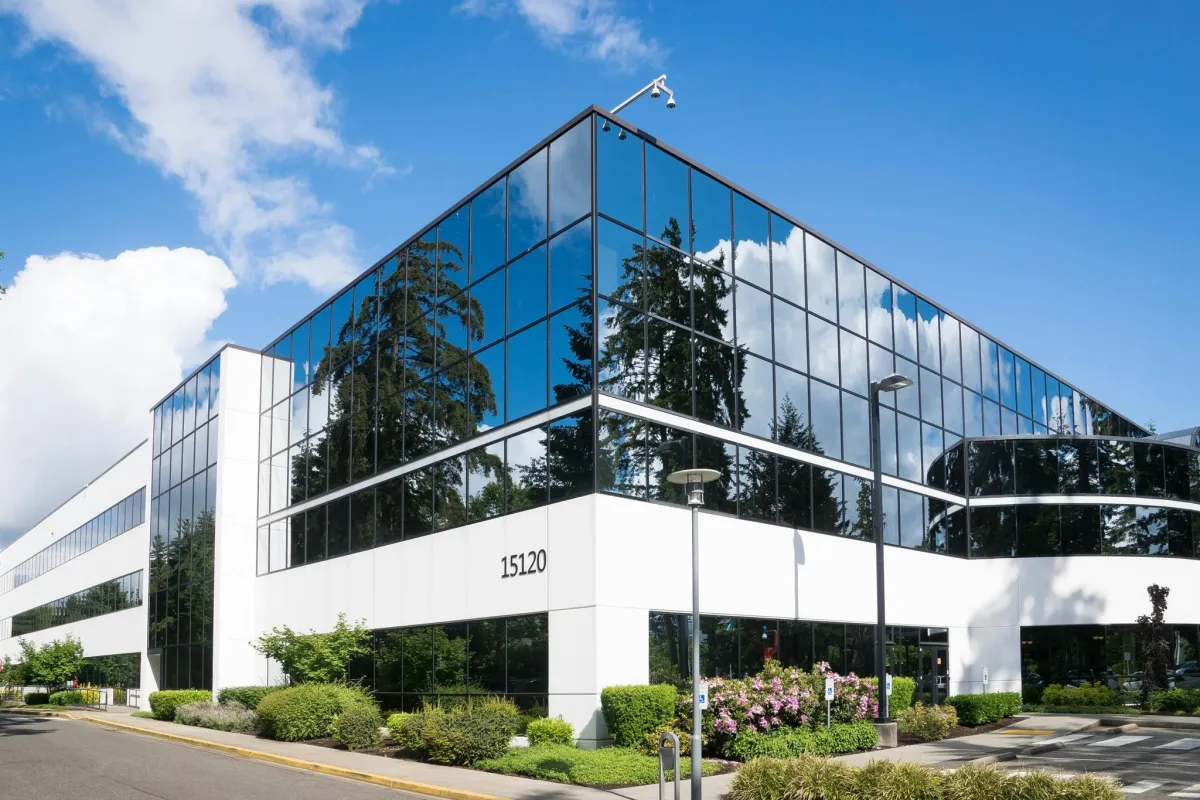
Office buildings sit on valuable parking assets that often go unmonetized. The garage fills up during business hours, empties at 6 PM, and generates zero revenue on weekends. That is money sitting on the table.
The Office Parking Opportunity
Most office leases include some parking allocation for tenants. But visitor spaces, overflow areas, and after-hours access are fair game for monetization.
The math is simple. A 200-space garage with 50 visitor spots, charging $5 per hour during business hours, can generate $50,000 or more annually from visitor parking alone. Add evening and weekend public parking, and the numbers climb quickly.
Protecting Tenant Relationships
The biggest concern property managers have is upsetting tenants. Nobody wants angry calls from a law firm whose client got a parking ticket.
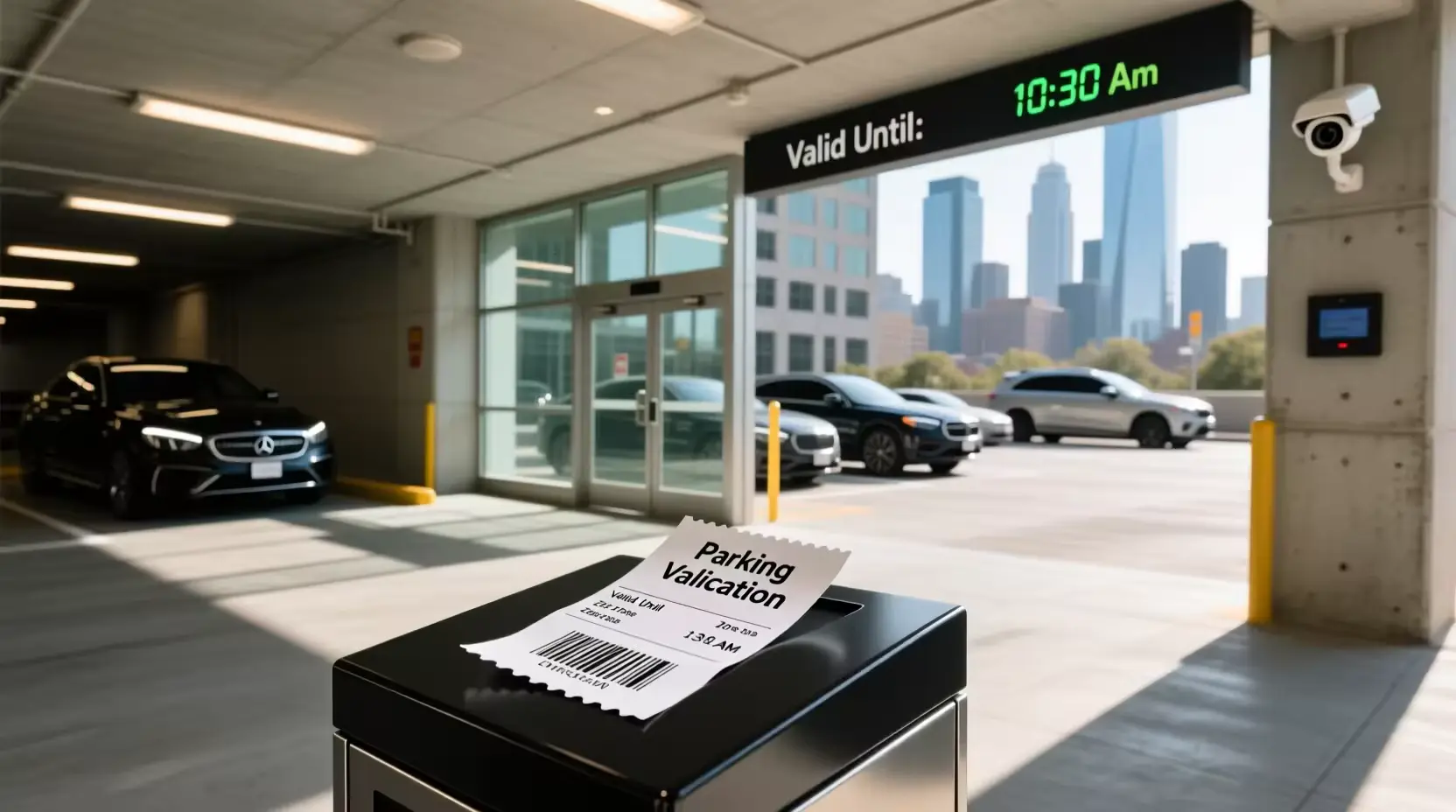
The solution is validation. Modern parking systems let you issue digital validations to tenants. Their visitors park, the tenant validates through an app or portal, and the visitor pays nothing. The system tracks it all automatically.
You can even allocate a monthly validation budget per tenant. They get 20 free visitor hours per month, and anything beyond that gets charged. It is flexible enough to work with any lease structure. Read our guide on balancing revenue and relationships for more strategies.
After-Hours Revenue
If your building is near restaurants, entertainment, or residential areas, your garage becomes valuable real estate after 6 PM. Evening and weekend parkers will pay for convenient, secure parking.
This requires no changes to your tenant agreements. Business hours remain tenant-only. After hours, the lot opens to the public. The technology handles the transition automatically.
Learn how shared parking agreements can maximize your off-peak revenue potential.
Implementation Considerations
Office buildings typically benefit from LPR systems because tenant and visitor management requires tracking who enters and exits. The cameras integrate with access control systems you may already have.
Start with visitor parking during business hours. Once that runs smoothly, expand to after-hours public parking. The phased approach minimizes disruption and lets you learn what works for your specific property.
Use the revenue calculator to estimate what your office building parking could generate based on your space count and visitor traffic.