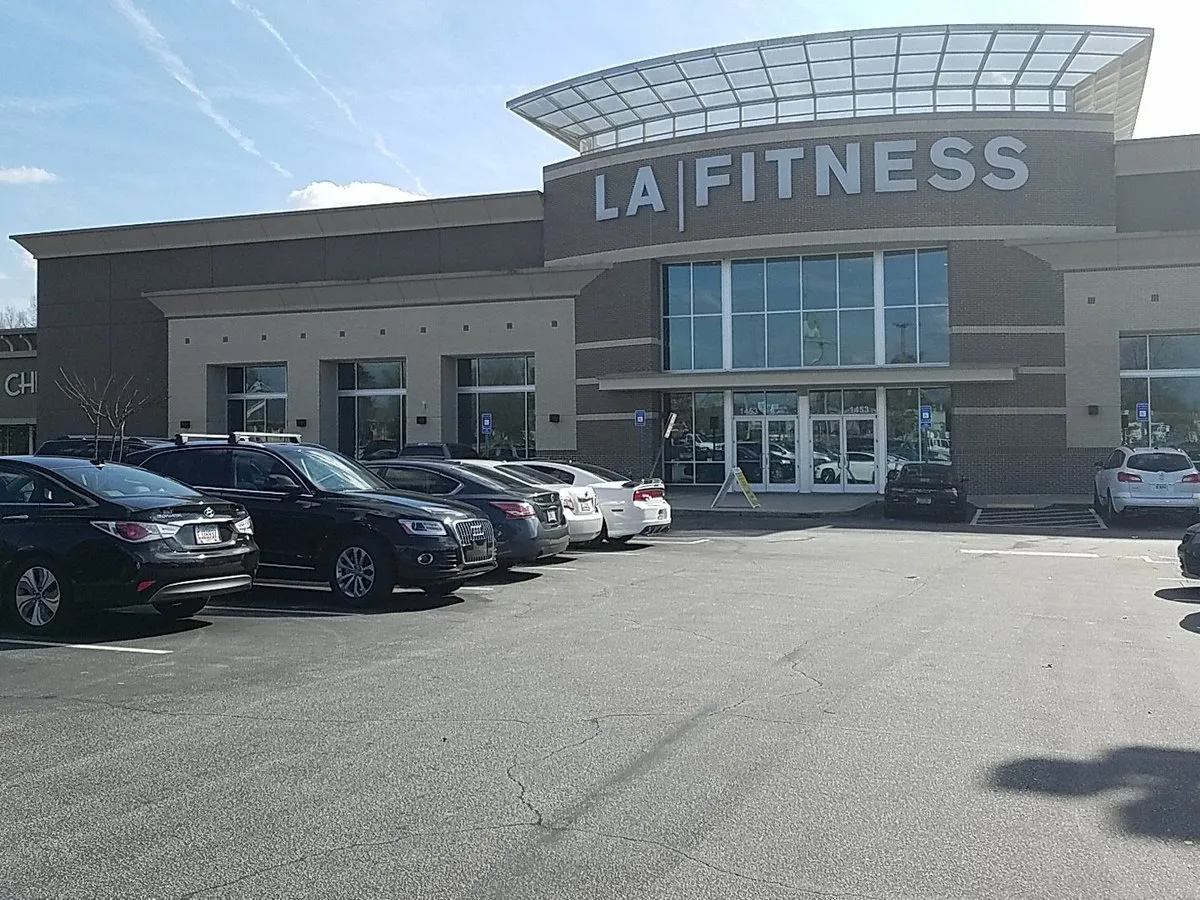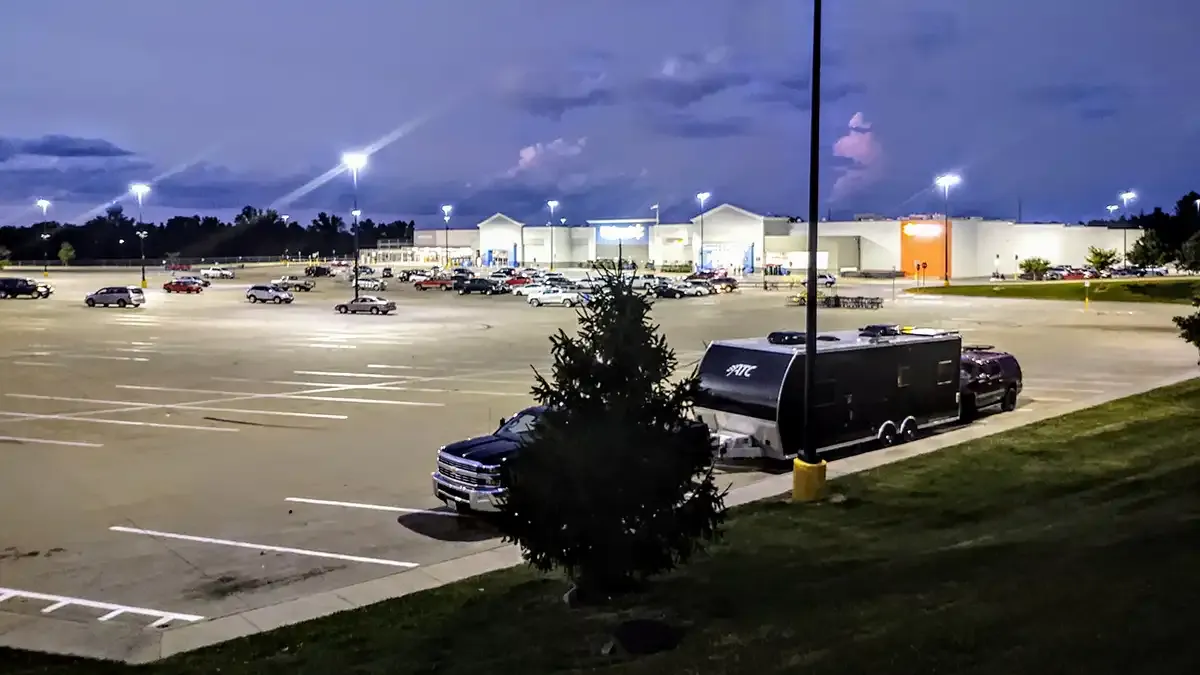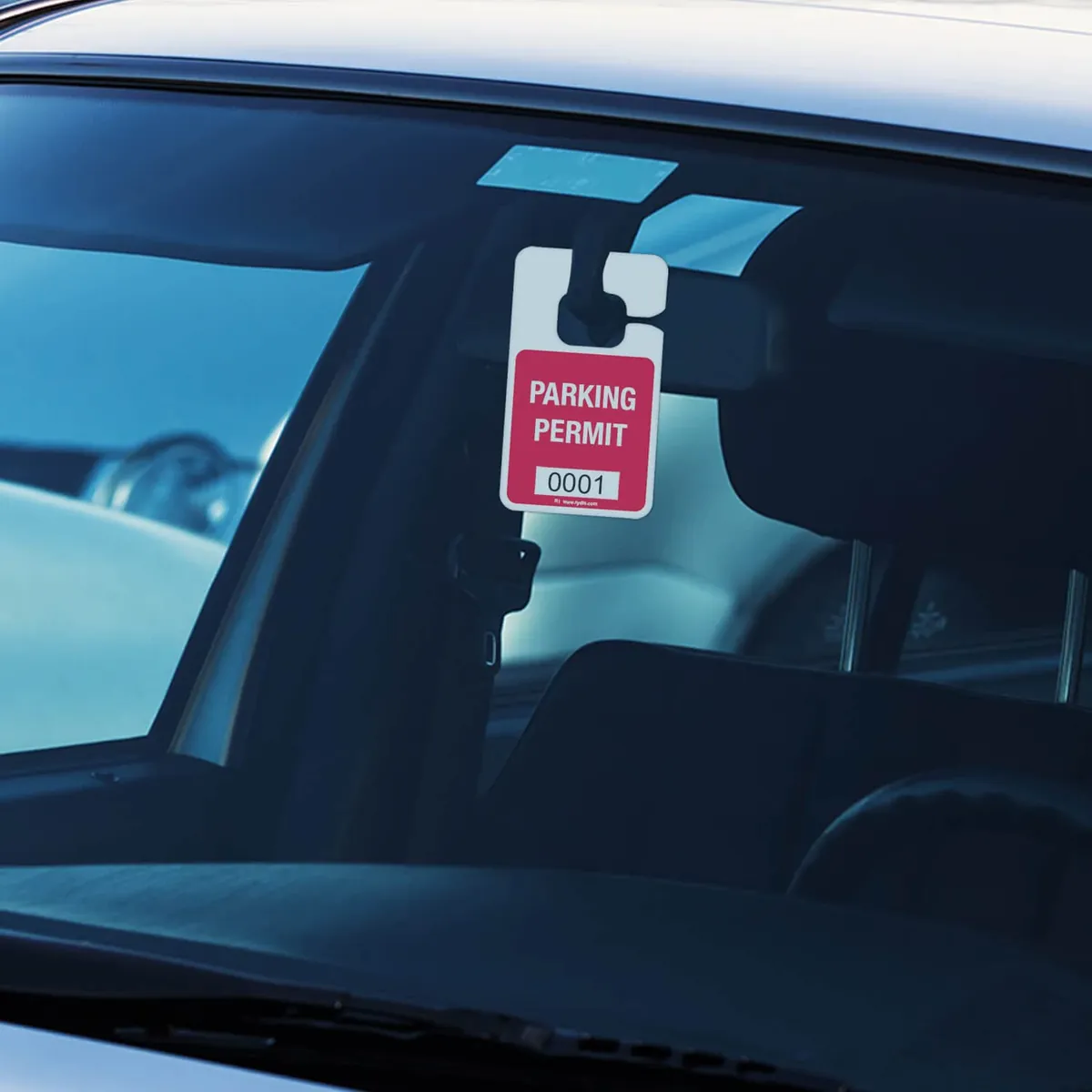
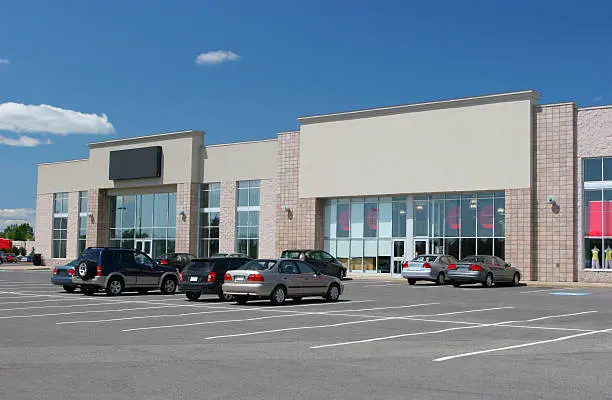
Retail parking lots face a timing mismatch. Store hours typically run 10am to 8pm, but the parking lot exists 24/7, maintained and insured whether used or not. Evenings after closing, weekends when stores are closed, and weekday mornings before opening represent unused capacity.
Nearby office workers, restaurant diners, and weekend event-goers need parking during these off-hours. The demand exists in different time windows than retail customer needs.
The Retail Parking Opportunity
Retail properties can monetize parking without affecting customers by focusing on non-retail hours:
Before and after store hours: Morning commuters and evening diners need parking when stores are closed.
Non-operating days: Closed Sundays or holidays can generate revenue from church parking, events, or residential overflow.
Overflow areas: Excess capacity in remote sections can be monetized while keeping prime spaces free for customers.
The key is maintaining free customer parking during operating hours while capturing revenue from non-retail demand.
Customer Validation Systems
The most customer-friendly approach uses validation. All parking starts as paid, but customers receive free validation at checkout through codes on receipts. Some retailers validate with minimum purchase requirements or offer time-limited validation of 2-3 hours that accommodates shopping while charging all-day parkers.
This ensures customers never pay while capturing revenue from non-customers using the lot as free parking.
Technology Implementation
License Plate Recognition (LPR) reads plates automatically. Customers enter validation codes via text or web portal for free parking.
Scan-to-Pay with validation lets customers scan QR codes when parking, then validate through receipt codes.
Point-of-sale integration can automatically validate parking based on transaction data.
Custom operating hours turn paid parking on and off automatically based on store schedules.
Revenue Models for Retail Properties
After-hours parking activates paid parking when stores close, generating revenue from evening and overnight demand without touching customer parking.
Overflow lot monetization keeps spaces nearest stores free for customers while charging for remote sections that customers rarely use.
Validation-based systems charge all users but validate customer parking at checkout, capturing revenue from non-customers.
Event parking generates revenue during nearby concerts, sports events, or festivals when retail lots normally sit empty.
Common Retail Concerns
Customer confusion: Clear signage explaining free customer parking with validation prevents issues.
Competitive disadvantage: Most implementations focus on non-retail hours or validation systems that keep customer parking free.
Staff parking: Systems can allow-list employee license plates or designate specific areas for staff.
Seasonal variations: Systems can adjust pricing based on shopping patterns, charging more during slow periods with excess capacity.
Implementation Considerations
Retail properties should evaluate location density since urban retail near offices and restaurants has stronger non-retail demand. Operating hours matter because evening and weekend operations reduce monetization opportunities. Lot capacity is important since adequate customer parking comes first. Competitive context affects strategy because competitor parking policies influence your approach.
Getting Started
Retail properties exploring parking revenue should start by tracking lot utilization during non-operating hours. Count vehicles during evenings, early mornings, and closed days. This data reveals whether non-retail demand exists.
For validation systems, calculate the percentage of current lot users who are actually customers versus non-customers using the lot for convenience. This determines potential validation-based revenue.
For more on validation systems that keep customer parking free, see our guide to parking validation programs. Learn about event parking strategies to capture revenue during nearby events.