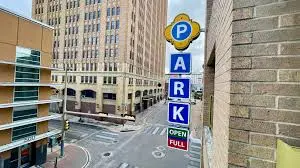
Cities across the country are rethinking how they manage public parking. Traditional meters, manual enforcement, and aging infrastructure are giving way to technology that makes parking easier for drivers and more efficient for municipalities.
This shift matters for private property owners too. As cities modernize, driver expectations change. The technology that works for municipal lots is increasingly available for commercial properties, churches, and private landowners looking to generate parking revenue.
What Is Driving the Change?
Several factors are pushing cities to upgrade their parking systems.
Aging infrastructure costs more to maintain. Mechanical meters break down, gate systems require constant repairs, and manual enforcement is labor-intensive. Modern technology reduces ongoing maintenance while improving reliability.
Drivers expect convenience. People are used to paying for everything with their phones. Cities that still rely on coins and paper tickets frustrate residents and visitors alike.
Data drives better decisions. Connected parking systems provide real-time occupancy data, usage patterns, and revenue analytics. City planners can use this information to adjust pricing, allocate resources, and plan infrastructure improvements.
Safety concerns require new approaches. Illegal parking near crosswalks, fire hydrants, and bus stops creates hazards for pedestrians and slows emergency response. Automated enforcement helps cities address these problems around the clock.
Key Technologies Cities Are Adopting
Modern municipal parking relies on a combination of technologies working together.
Mobile Payment and Scan-to-Pay
Mobile payment and scan-to-pay systems let drivers pay using their phones by scanning a QR code or entering a zone number. No coins, no paper tickets, no guessing how long to pay for. Many systems only charge for actual time used, refunding drivers who leave early.
License Plate Recognition (LPR)
License plate recognition automates enforcement and payment verification. Cameras mounted on enforcement vehicles or fixed poles read plates and check them against payment records in real time. This allows cities to cover more ground with fewer personnel.
Smart Meters and Pay Stations
Smart meters and pay stations accept multiple payment types and connect to central management systems. Cities can adjust rates remotely, monitor equipment status, and pull detailed reports without visiting each meter.
Automated Violation Detection
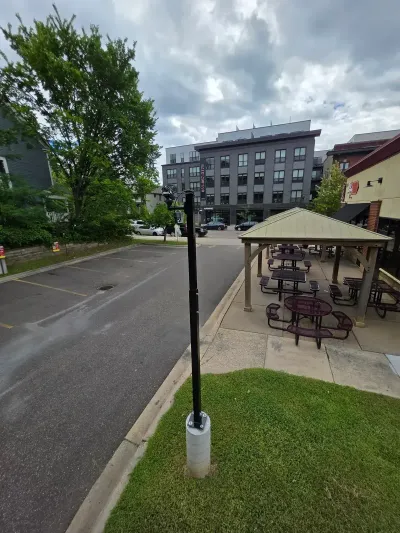
Automated violation detection uses cameras and sensors to monitor problem areas continuously. Municipal Parking Services, for example, developed the SafetyStick, a solar-powered device that monitors no-parking zones 24/7. Cities like Somerville, Massachusetts and Bridgeport, Connecticut have deployed SafetySticks to improve pedestrian safety at busy intersections. In Gainesville, Georgia, one deployment reduced illegal parking from roughly 11 violations per day to about 10 per month as driver behavior changed over time. These automated systems free up police resources for higher-priority public safety work while maintaining consistent enforcement.
What This Means for Private Property Owners
The same technology powering municipal parking modernization is available to private property owners, often at lower cost and complexity.
Scan-to-pay systems that work for city streets work equally well for private lots. LPR enforcement that monitors public garages can manage access and compliance on commercial properties. The infrastructure exists. The driver behavior has shifted. The barriers that once made paid parking impractical for smaller operators have largely disappeared.
Cities investing in parking technology also create spillover demand for nearby private lots. When public parking becomes better managed, overflow traffic looks for alternatives. Property owners positioned to capture that demand benefit directly.
The Opportunity for Property Owners
If your property sits near municipal parking that is being modernized, pay attention. Rising expectations and increased enforcement downtown often push parkers toward private alternatives.
Properties within walking distance of city centers, entertainment districts, or transit hubs are well positioned to benefit. The technology is proven, driver acceptance is high, and the path to implementation has never been simpler.
Whether you manage a single lot or multiple properties, the same principles that help cities run better parking programs can help you generate consistent revenue from underused spaces.