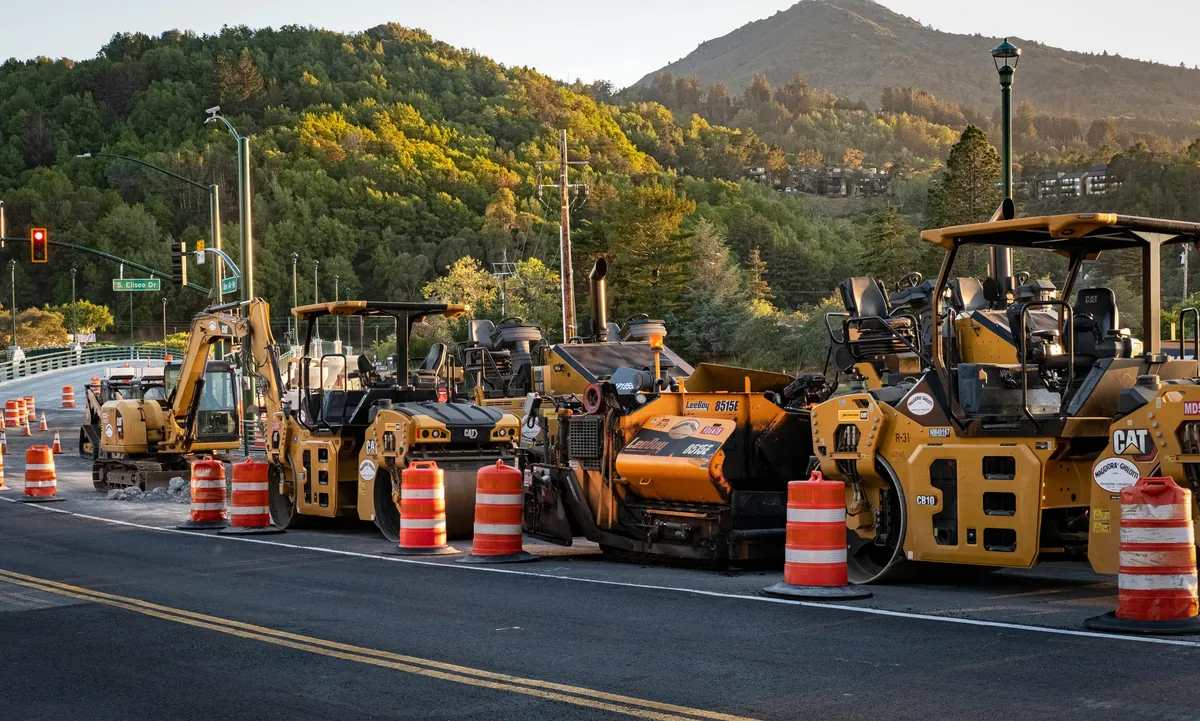
Construction and renovation projects temporarily reduce parking capacity just when maintaining revenue becomes most critical. Property improvements require capital investment, making the associated parking revenue loss particularly painful.
Smart operators minimize revenue impact through pricing adjustments, clear communication, and creative space management rather than simply accepting lower income during construction periods. The key is treating construction as a managed revenue challenge rather than an inevitable loss.
Communicating Early with Regular Parkers
Monthly pass holders and regular customers need 30-60 days notice before construction begins. Explain the timeline, expected capacity reduction, and available alternatives.
Offer prorated refunds or payment suspensions for monthly pass holders if you cannot guarantee their spaces. Some customers will accept alternative spaces. Others need to find different parking. Forcing customers to pay for unavailable spaces damages relationships.
Frame construction as temporary improvement. New lighting, resurfaced pavement, or added spaces justify short-term inconvenience.
Pricing Strategy During Reduced Capacity
Losing 30% of spaces does not mean accepting 30% revenue reduction. Higher rates on remaining spaces partially offset capacity loss when demand exceeds reduced supply.
If construction reduces capacity from 100 to 70 spaces, raise hourly rates by 20-30%. Customers already parking regularly will pay slightly more rather than finding new lots. The price increase captures revenue from customers who value convenience.
This only works when demand exceeds your reduced capacity. Analyze typical occupancy before implementing rate increases. Monthly pass pricing can remain stable if you maintain enough capacity for existing pass holders.
Alternative Arrangements and Partnerships
Properties with multiple lots can redirect customers to alternative locations. A 200-space property losing 75 spaces in lot A can absorb overflow into lot B if it typically runs at 60-70% occupancy.
Some operators partner with nearby properties for temporary overflow parking. Negotiate short-term agreements where customers display your credentials at a neighboring lot. You pay the neighbor a per-space fee lower than your retail rate.
Phased Construction to Maintain Capacity
Large-scale projects can be phased to avoid complete shutdowns. Resurface half the lot while keeping the other half operational, then switch. This extends the timeline but maintains 50% revenue throughout.
Phasing increases construction costs due to longer contractor engagement. Calculate whether maintaining partial revenue justifies higher construction expenses.
Revenue Recovery After Construction
Customers who found alternative parking during construction will not automatically return. Contact former monthly pass holders when construction finishes, offering promotional rates for the first month back.
Improved facilities justify rate increases after construction. New LED lighting, fresh pavement, or expanded capacity supports pricing 10-15% above pre-construction rates.
Construction temporarily reduces parking revenue, but clear communication, strategic pricing, and creative capacity management minimize losses while positioning for stronger post-construction performance.