Property owners evaluating parking lot lighting tend to start by comparing fixtures. Wattage, color temperature, warranty, price per pole. That comparison is worth doing, and on most projects it decides a small fraction of the total cost.
The larger share is in the ground.
The Fixture Is the Cheap Part
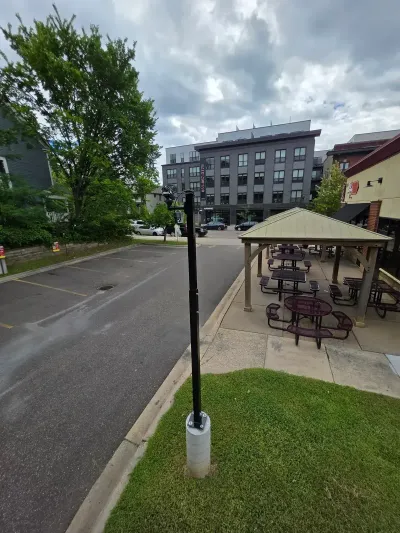
Adding a light to a spot on a parking lot that has never had one means getting power to that spot. On a paved lot that means excavation. A trench from the nearest panel to the pole location, conduit laid in it, backfill, and pavement patched over the top. The section of lot involved is out of service while the work happens, and on a property where parking is the revenue, that downtime has a cost of its own.
Trenching cost scales with distance. A pole thirty feet from an existing panel is a different project from a pole at the far corner of the lot, and the second one is not twice the price of the first, because the work also crosses drive aisles, landscaping, and anything else already buried.
Service Capacity Is the Item That Ends Projects
Many commercial properties are running close to the capacity of their existing electrical service. Adding a lighting circuit to a property with headroom is straightforward. Adding one to a property without it means a service upgrade, which brings in the utility, a new panel, possibly a transformer, and a timeline measured in months rather than weeks.
This is the item most likely to turn a lighting project into a capital project. It is also the item least likely to appear in an initial fixture quote, because the supplier quoting the fixture has no way of knowing the state of the panel. Any lighting proposal worth evaluating establishes available capacity before it prices anything.
Permits and Inspection
Electrical work on a commercial property requires permits, and the requirements vary by jurisdiction. Some municipalities treat parking lot lighting as a minor electrical permit. Others fold it into site plan review, particularly where the lot is visible from a public right of way or where light spill onto neighboring property is regulated.
Neither the permit fee nor the inspection is expensive. The schedule is what costs, because a project waiting on review is a project not producing light.
What Continues After Installation
Three costs run for as long as the lighting does.
The electricity itself, every night, for the life of the system. Lamp and driver replacement, which for LED is infrequent but not never. And repair, which is where the original trench decides the future cost, because a fault in a buried conduit means opening the pavement again.
That last item is why lighting maintenance gets deferred on parking lots more than almost any other building system. A single dark pole is easy to live with. The repair is not.
Where Solar Changes the Arithmetic
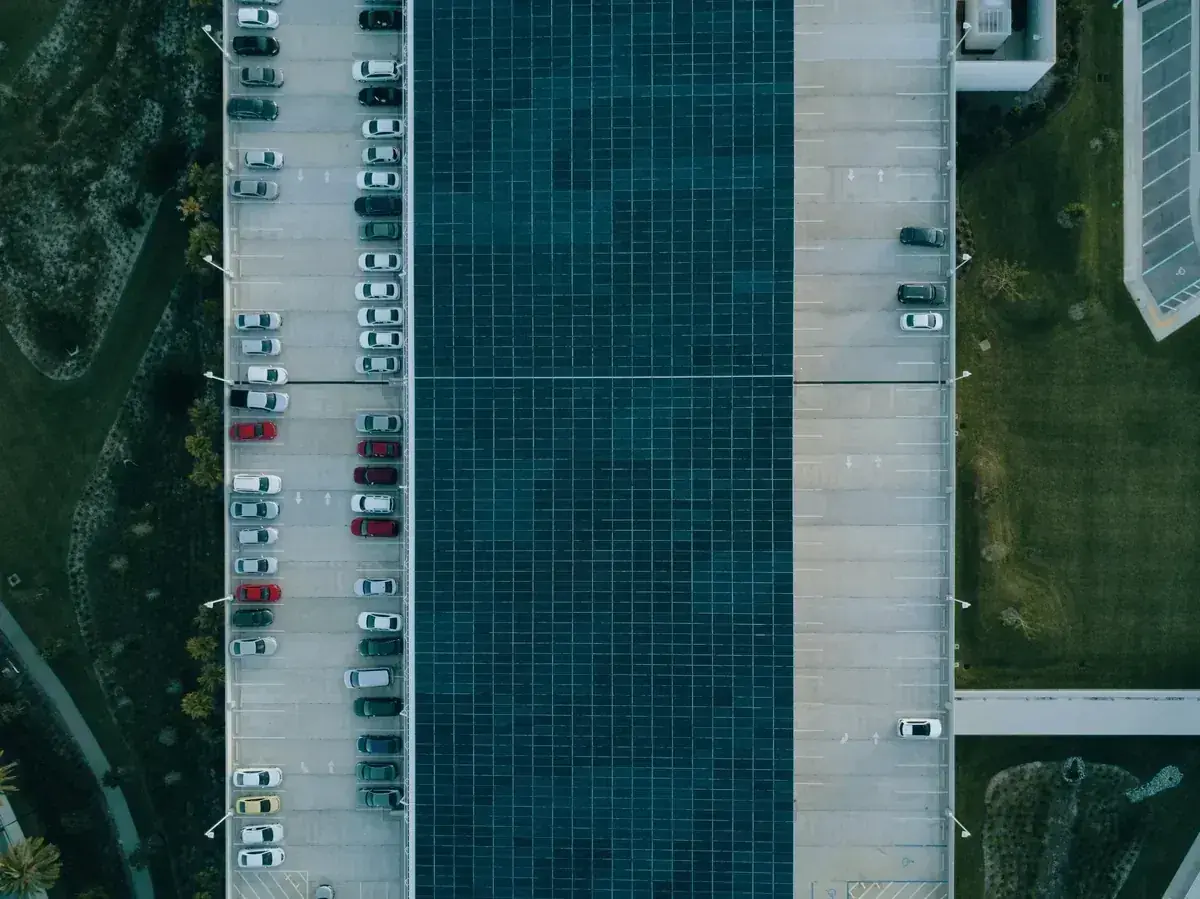
An off-grid solar system generates and stores its own power, which removes the trench, the service upgrade, and the utility connection from the project entirely. It also removes the electricity cost, because there is nothing metered to bill.
What it does not remove is the pole, the fixture, the permit in most jurisdictions, or the eventual maintenance. Battery replacement enters the picture where it did not exist before, on a cycle measured in years rather than months.
So the comparison is not solar against wired lighting. It is one set of costs against a different set, and which set is smaller depends on the property. A lot with a panel twenty feet away and spare capacity may well be cheaper to light conventionally. A lot needing power at the far corner, across pavement, with a service already at capacity, usually is not.
What to Ask For in a Quote
A quote that only prices equipment is not a quote for the project. Worth asking any supplier to state:
- Available capacity at the existing service, and whether an upgrade is required
- Trench distance and route, and what surfaces it crosses
- Permit requirements in the jurisdiction, and expected review time
- What portion of the lot is out of service during installation, and for how long
- Expected annual energy cost at the proposed fixture count and run hours
- What fails first, and what replacing it involves
Two proposals answering those six questions are comparable. Two fixture prices are not.