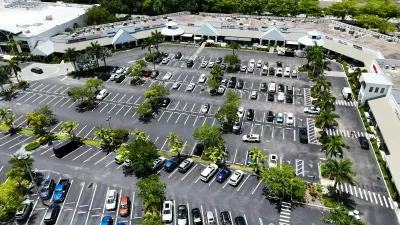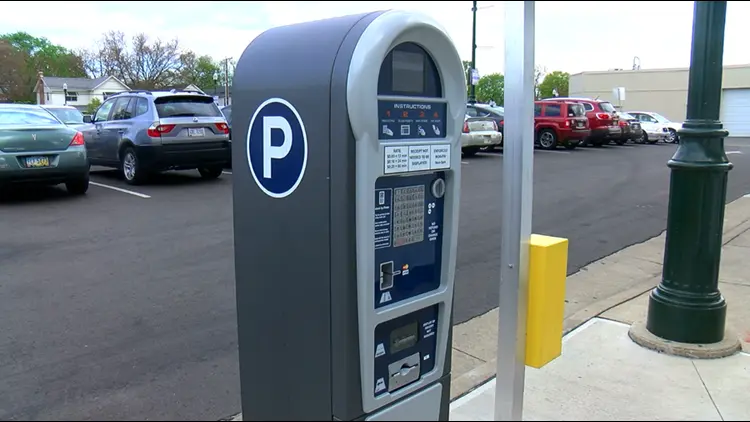
Parking monetization is the process of generating revenue from parking spaces that would otherwise sit empty or be used for free. For property owners, this means turning an overlooked asset into a consistent income stream.
If you own a commercial building, church, apartment complex, or any property with a parking lot, you are likely leaving money on the table. Modern technology has made it easier than ever to collect parking revenue without the headaches that kept most owners away in the past.
How Parking Monetization Works
The concept is simple: charge visitors, non-tenants, or the general public to park on your property during hours when spaces are available.
Traditional paid parking required gate arms, ticket machines, and staff to manage operations. That model was expensive, maintenance-heavy, and only made sense for large commercial garages.
Today's approach is different. Drivers pay using their phones by scanning a QR code on a sign or through automatic license plate recognition. No gates. No tickets. No attendants. The technology handles payment processing, time tracking, and enforcement automatically.
As a property owner, you set the rules: who parks free (tenants, employees, customers), when to charge, and how much. The system does the rest.
Who Benefits from Parking Monetization?
Almost any property with unused parking capacity can benefit:
Churches and community organizations often have large lots that sit empty six days a week. Monetizing weekday and evening parking creates revenue without affecting Sunday services.
Apartment and condo buildings can charge non-residents or offer premium reserved spaces to tenants willing to pay more for convenience.
Retail and restaurant properties can monetize evening and overnight hours when their businesses are closed but nearby venues drive demand.
Office buildings with excess capacity can open spaces to the public during evenings and weekends when employees are gone.
Private lots near downtown, stadiums, or entertainment districts are often the best candidates. High foot traffic and limited public parking create natural demand.
What Kind of Revenue Can You Expect?
Revenue varies based on location, lot size, and local demand. Property owners in urban and entertainment areas typically see:
- Small lots (15 to 25 spaces): $1,500 to $4,000 per month
- Medium lots (30 to 60 spaces): $3,000 to $8,000 per month
- Large lots (75+ spaces): $7,000 to $15,000+ per month
These figures represent net revenue after technology and processing fees, which typically run 15% to 30% of collections depending on the provider.
Why Now?
Two changes have made parking monetization practical for everyday property owners.
First, the technology costs have dropped dramatically. Most providers now offer solutions with no upfront investment. You pay a percentage of revenue collected rather than buying expensive equipment.
Second, driver behavior has shifted. People are comfortable paying for parking with their phones. The friction that once made paid parking frustrating has largely disappeared.
Is Your Property a Good Fit?
Parking monetization works best when your lot has demand from people who are not your primary tenants or customers. Ask yourself:
- Do non-tenants ever park in your lot?
- Is your lot near restaurants, bars, venues, or downtown?
- Are there times when your lot is mostly empty?
If you answered yes to any of these, your property likely has untapped potential.
Getting Started
The first step is understanding what your specific lot could generate. Factors like location, space count, and local parking rates all play a role.
Use the parking revenue calculator to get a ballpark estimate for your property.