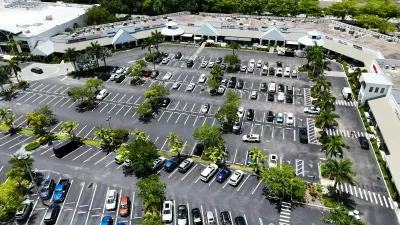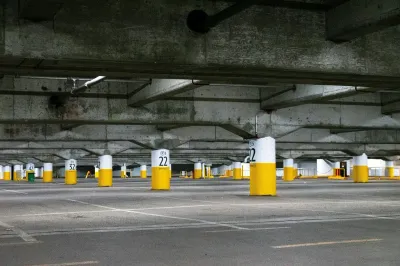

Cities waste valuable public land on parking. Surface lots, multi-level garages, and street parking consume 20-50% of downtown land area in many municipalities. That's land that could support housing, parks, transit facilities, or commercial development generating actual tax revenue.
Private paid parking solves this problem. When property owners absorb parking demand through market-rate pricing, municipalities stop building expensive public parking infrastructure and reclaim land for productive uses.
Public Parking Drains Budgets
Multi-level parking garages cost $15,000-$40,000 per space to build. Surface lots require land acquisition and development. Both need ongoing maintenance and operation funded by municipal budgets.
Private paid lots handle demand without these costs. Business owners, hotels, churches, and landowners provide parking using their own capital. Municipalities preserve funds for revenue-generating projects instead of parking structures.
Public parking also removes land from tax rolls. A municipal garage generates zero property tax. A private paid lot generates tax revenue while serving the same parking function.
Reclaim Land for Higher-Value Development
When private lots meet parking demand, public land becomes available for better uses. Parks, pedestrian plazas, affordable housing, transit hubs, and commercial buildings all generate more community benefit than asphalt.
Tourist destinations and historic districts particularly benefit. Sprawling public parking facilities conflict with compact, walkable downtown character. Private lots disperse parking throughout the area instead of concentrating it in massive municipal structures that dominate streetscapes.
Stop Overbuilding Parking
Free or cheap parking encourages waste. Minimum parking requirements force developers to dedicate excessive land to vehicle storage. The result: asphalt sitting empty most of the time in cities desperate for housing and commercial space.
Market-rate private parking makes parking a commodity. Owners optimize lots for profitability through turnover pricing and shared agreements. When land values rise, underperforming lots get redeveloped into higher-value uses.
Municipalities eliminating parking minimums while encouraging private paid parking see denser, mixed-use development generating more tax revenue per acre.
Free Up Street Space
Paid private lots draw all-day parkers off public streets. Employees and long-term visitors use private facilities instead of occupying valuable curbside space for eight hours.
This lets municipalities repurpose curbs for bike lanes, wider sidewalks, outdoor dining, transit stops, or green infrastructure. On-street parking focuses on short-term retail support rather than all-day storage.
Better pedestrian environments boost tourism and economic activity without expanding parking supply.
Generate Revenue Instead of Consuming It
Private paid parking creates tax revenue. Parking fees generate sales tax. Efficient parking management enables redevelopment of underused lots into hotels, shops, restaurants, and attractions producing higher property tax.
A six-story mixed-use building generates substantially more tax revenue than a surface lot. Private market forces drive this redevelopment when parking demand gets met through paid private supply.
Support Mobility and Sustainability Goals
When private lots absorb parking demand, downtown cores can emphasize walking, biking, transit, and shuttles. This reduces car dependency and stormwater runoff from impervious surfaces while supporting compact development patterns.
Historic districts maintain character without sprawling public lots. Seasonal destinations adapt parking supply to demand fluctuations without permanent public infrastructure.
Use the revenue calculator to estimate how much tax revenue your private paid parking lot could generate for your municipality while meeting parking demand.
Stop building public parking when private solutions benefit both municipal planning goals and property owner revenue.