Municipal planners treat parking complaints as planning failures. Business owners demand more spaces. Visitors complain about circling blocks. Residents can't find street parking near their homes.
These complaints signal success, not failure.
Vibrant commercial districts experience parking pressure because people actually want to visit them. The alternative is abundant empty parking in struggling areas nobody cares about.
Demand Overwhelms Supply in Successful Areas
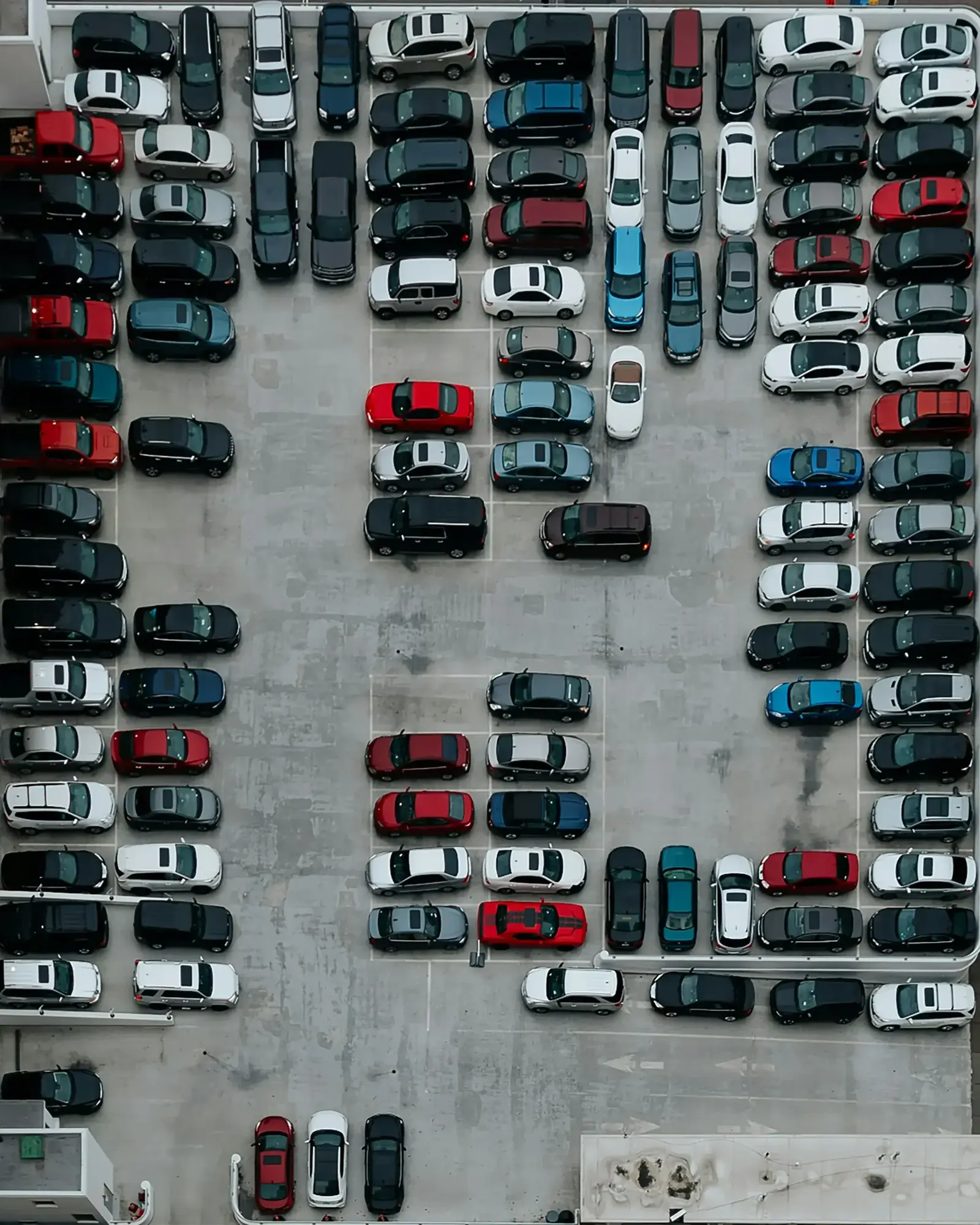
Thriving downtowns pack intense activity into limited space. Retail shoppers, restaurant diners, office workers, apartment residents, and tourists all compete for parking simultaneously. This concentration creates demand that exceeds supply during peak periods.
Studies show vibrant districts consistently draw crowds large enough to overwhelm parking capacity. That's evidence of popularity and economic health. Struggling commercial areas rarely face parking pressure because few people visit them.
The parking shortage is a "positive problem" proving your district works.
Limited Supply Reflects Smart Economics
Prime commercial land costs too much to waste on parking. A six-story mixed-use building generates far more revenue than a surface lot on identical land. Structured garages cost $15,000-$40,000 per space to build, expenses that rarely justify themselves compared to productive development.
Successful districts intentionally choose revenue-generating uses over parking supply. This imbalance reflects rational decisions about highest-and-best land use, not poor planning.
Free Parking Makes Problems Worse
Much parking in successful areas is free or subsidized. On-street spaces cost nothing. Private lots validate or charge low rates. This pricing creates constant high occupancy and induces unnecessary demand.
Free parking encourages driving for trips people would otherwise walk, bike, or transit. Drivers cruise endlessly for rare free spots instead of paying for guaranteed spaces. Studies estimate cruising accounts for up to 34% of traffic in congested commercial districts.
This circling adds congestion and pollution while making the shortage worse. Underpriced parking induces more demand than supply can handle.
Historic Character Prevents Expansion
Many successful districts occupy older urban cores built before cars. Narrow streets, dense buildings, and compact blocks make adding parking difficult or impossible. Historic preservation prevents widening streets or demolishing buildings for lots.
The same characteristics that make these districts attractive also limit parking expansion. Cities choose walkability and architectural character over parking abundance.
Suburban Areas Prove the Point
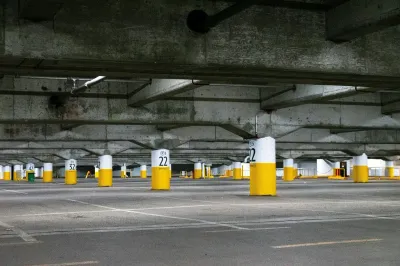
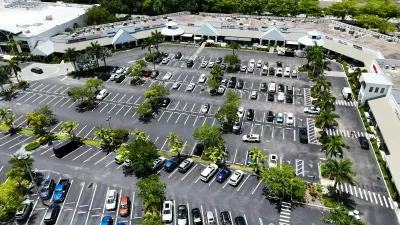
Less successful suburban developments offer abundant free parking. Large lots surround big-box stores and strip malls. Spaces sit empty most of the time.
This parking abundance correlates with lower economic vitality. Suburban retail designed for car access lacks the density and mixed uses that create vibrant districts. Ample parking comes at the cost of energy and activity.
Successful urban areas trade parking convenience for economic vibrancy. People tolerate challenges because the destination justifies the effort.
Manage Parking, Don't Eliminate Success
Building more parking until demand disappears just induces more driving while consuming valuable land. Better approaches manage existing supply through pricing and technology.
Demand-based pricing charges higher rates during peaks, encouraging turnover and reducing cruising. Private paid parking absorbs demand without public costs. Shared agreements let complementary uses share spaces across different times. License Plate Recognition improves enforcement without visual clutter.
Municipal planners should expect parking problems in successful districts. The pressure indicates economic health. Empty lots signal struggling businesses and weak demand.
Private lot owners in high-demand districts control valuable assets. Use the revenue calculator to estimate what your lot could generate through market-rate pricing that manages availability while capturing value.
Parking problems mean your commercial district is working.