Medical facilities face a parking challenge that combines high demand with ethical sensitivity. Patients need convenient access to care. Staff require daily parking. Visitors occupy spaces for extended periods. And nearby office workers see an underutilized lot during evening hours.
The question is how to monetize parking without creating barriers to patient care.
The Medical Facility Parking Dynamic
Healthcare properties experience distinct patterns: peak demand from 8am to 5pm on weekdays matches appointment schedules, while evenings and weekends show dramatically lower utilization. Patient visits typically last 30 minutes to 2 hours. Staff vehicles occupy spaces for full shifts. Nearby workers looking for all-day parking represent a different user type.
Medical facilities can generate revenue from after-hours parking, charge premium rates for staff parking, or implement validation systems that keep patient parking free while monetizing other users.
Patient-First Parking Strategies
The most successful medical facility parking programs prioritize patient access:
Time-based free periods: First 2-3 hours free accommodates most patient visits while charging longer-term parkers.
Validation systems: Patients receive validation codes at check-in for free parking. Non-patients pay standard rates.
After-hours monetization: When clinics close, parking opens to nearby restaurants, entertainment venues, or residential permit holders.
Staff parking programs: Dedicated staff areas operate on monthly permits, generating stable revenue while freeing prime spaces for patients.
Technology That Enables Flexibility
License Plate Recognition (LPR) automatically identifies vehicles. Staff on monthly permits and validated patients park free. Everyone else pays automatically.
Scan-to-Pay with validation codes lets patients enter validation codes from check-in paperwork for free parking. Non-patients scan and pay.
Time-based pricing charges nothing for the first 2-3 hours, then applies rates. Most patients never exceed the free window.
Custom scheduling turns paid parking on and off based on clinic hours, maximizing revenue from non-medical demand during evenings and weekends.
Revenue Models for Healthcare Properties
Staff permit programs charge employees monthly fees for guaranteed parking. A 50-space lot with 40 staff permits at $75 per month generates $36,000 annually. This is the most common starting point.
After-hours programs monetize evening and weekend parking when clinics are closed, generating revenue from otherwise empty lots.
Premium parking tiers offer convenient spaces near entrances at higher rates while maintaining free patient parking further from the building.
Validation-based systems make all parking paid by default but provide free validation to patients, capturing revenue from non-medical users.
Common Healthcare Facility Concerns
Patient perception: Clear communication is key. If patient parking remains free through validation or time limits, most patients never interact with the payment system.
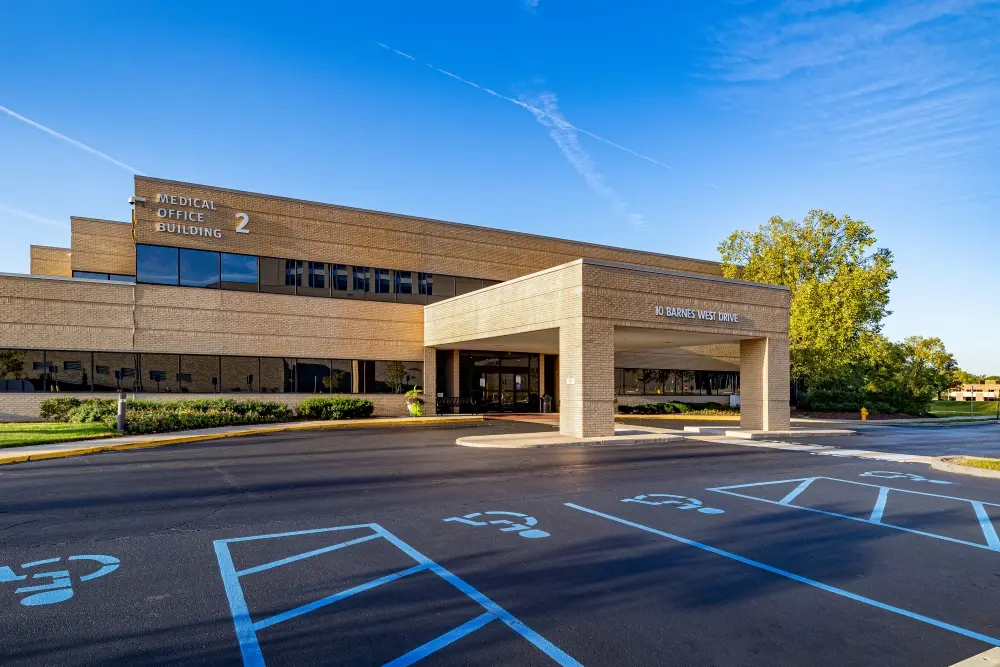
Accessibility compliance: ADA-compliant spaces remain clearly marked and accessible, often validating automatically.
Emergency situations: Systems can disable paid parking instantly via mobile apps.
Staff relations: Implementing staff fees requires clear communication. Many facilities offset fees with adjusted compensation.
Implementation Considerations
Medical facilities should evaluate location context since urban facilities near commercial districts have stronger after-hours demand. Operating hours affect opportunities since evening and weekend hours reduce after-hours potential. Patient volume matters because higher volume increases validation complexity. Available capacity is important because monetization works best with excess capacity.
Getting Started
Medical facilities exploring parking revenue should start by tracking utilization patterns across different times and days. Identify when patient parking is truly needed versus when capacity sits unused.
Technology providers can model revenue potential based on lot size, location, patient volume, and operating hours. Most healthcare facilities start with staff permit programs because they generate immediate revenue without affecting patient experience.
For more on validation systems that keep customer parking free, see our guide to parking validation programs. Learn about custom operating hours that maximize after-hours revenue.