
If you own a parking lot or have unused spaces on your property, you've probably wondered: can I actually charge people to park here? Is that even legal?
The short answer is yes, in most cases property owners can charge for parking on their own land. But the full answer depends on several factors specific to your property, your location, and how you plan to operate.
Property Ownership and Zoning
The first consideration is whether you have the legal right to operate a commercial parking operation on your property. This typically comes down to zoning regulations set by your local municipality. Some areas are zoned for commercial use and allow paid parking without any additional steps. Others may require a permit, variance, or change of use approval.
If your property is part of a homeowners association, commercial complex, or subject to deed restrictions, there may be additional covenants that affect what you can do with your parking spaces.
Lease Agreements and Tenant Considerations
For property owners with tenants, your existing lease agreements matter. If you've promised tenants free parking as part of their lease, you'll need to honor that agreement or renegotiate before implementing paid parking for those spaces. Many property owners find they can still monetize visitor parking, overflow areas, or spaces during off-hours without affecting tenant agreements.
Signage and Disclosure Requirements
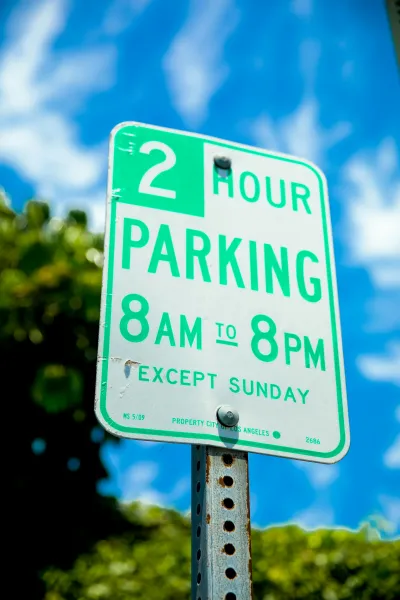
Most jurisdictions have specific requirements about how paid parking must be communicated to drivers. This usually includes posting visible signage that clearly states the parking rates, hours of enforcement, and payment methods. Proper signage isn't just good practice; in many areas it's a legal requirement for your parking fees to be enforceable.
Enforcement and Towing Regulations
If you plan to enforce parking violations through citations or towing, there are often state and local laws governing how this must be handled. Towing regulations in particular tend to be strict, with requirements around signage, notification, maximum fees, and storage facility distances. Many property owners choose technology solutions that encourage compliance without relying heavily on towing.
Tax and Business Licensing
Collecting parking revenue typically means collecting sales tax in many states, and may require a business license depending on your location. The specific requirements vary significantly from one jurisdiction to another.
ADA Compliance
Any parking facility open to the public must comply with Americans with Disabilities Act requirements, including providing accessible spaces in the correct quantity and location. This applies whether parking is free or paid.
The Bottom Line
The legality of charging for parking on your property isn't a simple yes or no question. It depends on your zoning, existing agreements, local regulations, and how you structure your operation. What's perfectly legal and straightforward in one city might require permits and approvals in another.
The good news is that thousands of property owners across the country successfully operate paid parking on their properties. With the right approach and proper setup, you can too.
Not Sure Where You Stand?
This is exactly the kind of situation where a quick conversation can save you hours of research and potential headaches. We help property owners navigate the specifics of their situation every day, and we're happy to point you in the right direction.