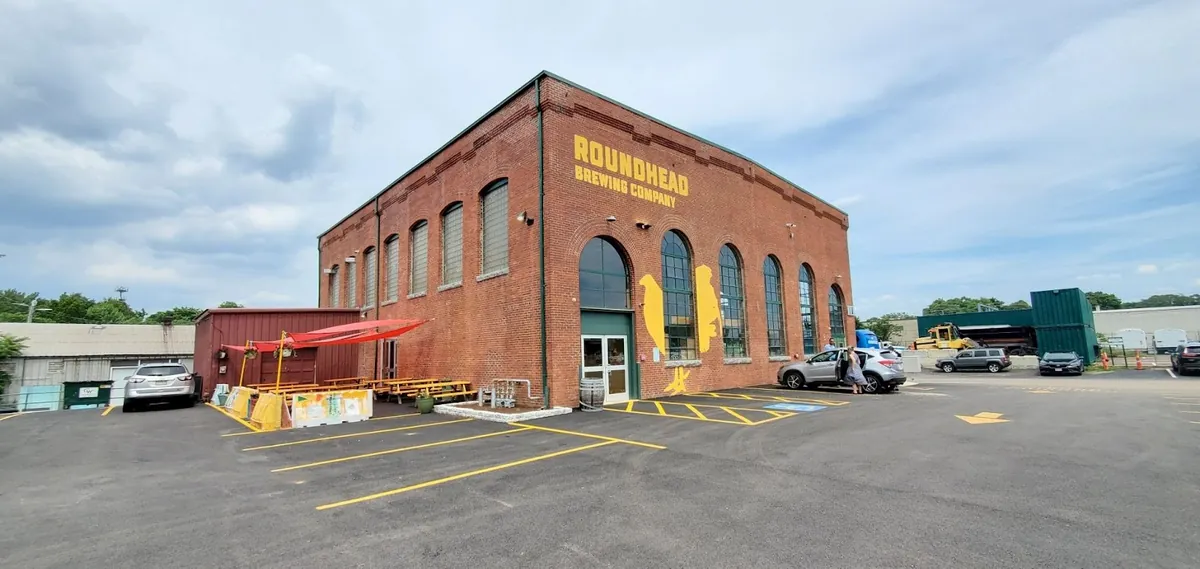
Parking lots near breweries, bars, and restaurants generate strong evening revenue when office lots sit empty. But establishments serving alcohol create liability concerns that require different policies than standard commercial parking.
Property owners monetizing parking for nightlife venues need clear strategies that capture revenue while protecting against drunk driving liability and overnight vehicle issues.
Evening Demand Creates Premium Pricing Opportunities
Bars and breweries drive peak parking demand from 6 PM to 2 AM, when most commercial lots sit empty. A lot generating $500 weekly from daytime parking can add $300-600 weekly from evening bar traffic without additional capacity.
Evening pricing typically runs 20-30% higher than daytime rates. A $10 evening parking fee rarely deters customers when they are spending $50-100 on drinks.
Charge $8 for 2-4 hours, $12 for 4-6 hours, and $15 for overnight stays. This captures different customer segments from quick dinner visitors to all-night patrons.
Managing Liability When Customers Drink
Property owners worry about liability if an intoxicated customer leaves their lot and causes an accident. While parking lot owners generally are not liable for customer actions after they leave the property, clear policies reduce risk.
Post visible signage encouraging rideshare use and listing local taxi services. This demonstrates reasonable care without creating a duty to prevent drunk driving. Some lots partner with rideshare companies to display QR codes for quick pickup requests.
Never allow staff to make judgments about customer sobriety or prevent customers from accessing their vehicles. That creates potential liability for false imprisonment or discrimination claims. Your role is providing parking, not regulating customer behavior.
Consider offering discounted overnight parking rates for customers who choose not to drive. A $15 overnight rate versus $12 for 4-6 hours gives customers a financial incentive to leave their car and return the next day. This reduces drunk driving while maintaining revenue.
Overnight Vehicle Policies
Establish clear overnight policies posted at entrances and on payment confirmations. Vehicles may remain until 10 AM the following day at the overnight rate. After 10 AM, additional daily charges apply. After 48 hours, vehicles may be towed.
License Plate Recognition systems automatically track vehicle duration and can send payment reminders or towing notices.
Some property owners partner directly with breweries and bars. The establishment validates parking for customers, paying the lot owner a negotiated per-vehicle rate.
Rideshare Partnerships That Work
Designated rideshare pickup zones improve customer experience and reduce parking duration. Customers using rideshare free up spaces faster, increasing turnover.
Digital payment systems can include rideshare promotional codes. After paying for parking, customers receive a discount code for Uber or Lyft. This costs nothing but positions your lot as encouraging safe transportation.
Weekend vs. Weekday Strategies
Friday and Saturday nights generate 60-70% of weekly nightlife parking revenue. Consider different pricing for weekday versus weekend nights.
Lots near breweries with daytime taproom hours might see afternoon weekend traffic alongside evening crowds. This extended demand window justifies premium weekend pricing.
Nightlife parking generates strong revenue during hours when commercial lots sit empty, but requires clear overnight policies and liability-conscious operations.